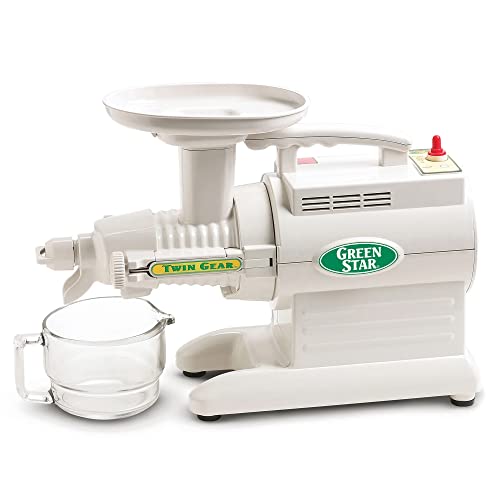
Who should buy the Tribest Greenstar Original GS-1000?
Committed home users learning true twin-gear extraction at the lowest current entry point in this verified five-model catalog, especially for greens, celery, and mixed produce prepared to the manual. The right buyer starts with ingredients and routine, not the badge on the front. Write down the produce used most often, the number of servings, the available preparation time, and how much washing feels realistic after an ordinary weekday session.
HD twin-gear system, Slow masticating format, Established replacement-parts path are the clearest reasons this model enters our shortlist. Each advantage matters only when it removes friction from the main use case. A feature that appears impressive but is used once a month should not outweigh an easier daily feed path, more manageable part set, or better fit under the cabinets.
Who should keep comparing?
Choose a single-auger cold press when faster assembly, fewer aligned components, a vertical footprint, or batch-hopper loading matters more than the twin-gear mechanism.
Know before you buy: The horizontal twin-gear assembly requires deliberate feeding, careful alignment, and more cleaning attention than a simple single-auger machine. That limitation does not make the product weak. It defines the shopper for whom a different mechanism, capacity, or footprint is the more responsible recommendation.
How the mechanism changes the experience
This model uses two interlocking gears rather than one auger. Produce passes through a narrow horizontal extraction path and a pressure-and-screen assembly, creating a deliberate feed rhythm that suits fibrous greens and dense produce. The tradeoff is a more involved alignment, pressure-setting, disassembly, and cleaning routine.
Cleanup and long-term ownership
The GS-1000 uses a matched pair of gears, screen, housing, outlet-pressure control, and model-specific parts that must be aligned in the order shown by the manual. Tribest currently maintains a GS-1000 parts collection, which is useful for a legacy platform, but availability of any individual part still needs confirmation before purchase. Rinse the screen, gears, housing, and pulp path before fibers dry.
Fit this model to the complete station
The listed counter profile is large. For the Tribest Greenstar Original GS-1000, test that description against the actual loading clearance, vessels, removable pieces, sink, drying area, and storage position in your kitchen. The most important constraint is the same one identified above: The horizontal twin-gear assembly requires deliberate feeding, careful alignment, and more cleaning attention than a simple single-auger machine.
For this specific review, the JuicerPress evaluation method means testing hd twin-gear system against the model’s stated compromise, then checking whether twin-gear and leafy-greens describes the household’s real routine.
Put the Tribest Greenstar Original GS-1000 through a real-use check
Build the check around committed home users learning true twin-gear extraction at the lowest current entry point in this verified five-model catalog, especially for greens, celery, and mixed produce prepared to the manual. Those are the jobs that justify considering this exact model. A normal session should include the actual produce, serving count, cutting board, containers, and cleanup window the household expects to use—not an unusually small demonstration batch. The model’s clearest advantages are hd twin-gear system, slow masticating format, established replacement-parts path. Note which advantage removes a repeated inconvenience and which one merely sounds appealing on a listing.
Now test the rejection case. Choose a single-auger cold press when faster assembly, fewer aligned components, a vertical footprint, or batch-hopper loading matters more than the twin-gear mechanism. That boundary deserves as much weight as the reasons to buy. If the household’s most frequent recipe, physical reach, storage location, or washing limit falls on the wrong side of it, eliminate the Tribest Greenstar Original GS-1000 before comparing price. A capable machine can still be a poor fit when its strongest feature solves a secondary problem.
Use the Tribest Greenstar Original GS-1000’s Twin-gear masticating path as the final category check. Follow twin-gear from preparation to liquid and pulp collection, then identify the surfaces needed to preserve hd twin-gear system. Decide whether that motion and result fit the person who will operate, wash, and store this model most often.
Use the alternatives as decision controls
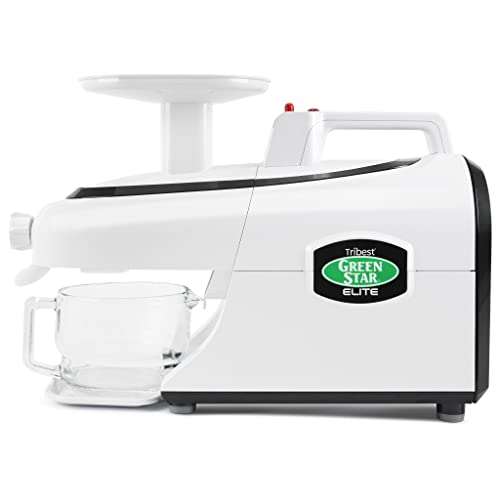
Tribest Greenstar Elite GSE-5000 changes the comparison to a twin-gear masticating workflow with a large counter profile. Its useful case is twin-gear and leafy-greens, supported by stainless-steel twin gears and 110-rpm extraction. Keep the Tribest Greenstar Original GS-1000 when its own mechanism and strengths serve the primary routine better; move to Tribest Greenstar Elite GSE-5000 when this difference outweighs its tradeoff: Its multi-piece pressure and screen system rewards careful setup and immediate cleaning rather than a minimal-parts routine.
Tribest Greenstar 5 GS5 changes the comparison to a twin-gear masticating workflow with a large counter profile. Its useful case is twin-gear and celery, supported by all-stainless jumbo twin gears and easy-clean housing design. Keep the Tribest Greenstar Original GS-1000 when its own mechanism and strengths serve the primary routine better; move to Tribest Greenstar 5 GS5 when this difference outweighs its tradeoff: The premium new-generation format still requires the full twin-gear, screen, housing, and pressure-control cleaning routine.
Omega All-in-One changes the comparison to a slow masticating workflow with a large counter profile. Its useful case is leafy-greens and celery, supported by 80-rpm slow extraction and multi-purpose nutrition system. Keep the Tribest Greenstar Original GS-1000 when its own mechanism and strengths serve the primary routine better; move to Omega All-in-One when this difference outweighs its tradeoff: A horizontal machine needs more counter length and deliberate feeding.
Plan the first week before ordering
Choose one uncomplicated recipe from the intended uses above and write the preparation sequence before the machine arrives. Confirm which produce needs trimming, pitting, peeling, shortening, or portioning in the current instructions. Decide where the juice vessel and pulp container will sit and where wet pieces will dry. This rehearsal is especially important for the Tribest Greenstar Original GS-1000 because its large profile must fit as an operating station, not merely as a stored appliance.
Begin the Tribest Greenstar Original GS-1000 with a modest twin-gear batch and change only one relevant factor between sessions. Track how hd twin-gear system and slow masticating format affect the routine, while treating the horizontal twin-gear assembly requires deliberate feeding, careful alignment, and more cleaning attention than a simple single-auger machine. as the boundary to watch. Ingredient condition, assembly, pace, and retained liquid can change the observation, so stop for abnormal behavior instead of trying to force a preferred outcome.
End every trial by timing the ownership routine that matters most: disassembly, removal of loose pulp, screen or strainer access, washing, inspection, drying, and reassembly. Compare that experience with this model-specific ownership note: The GS-1000 uses a matched pair of gears, screen, housing, outlet-pressure control, and model-specific parts that must be aligned in the order shown by the manual. Tribest currently maintains a GS-1000 parts collection, which is useful for a legacy platform, but availability of any individual part still needs confirmation before purchase. Rinse the screen, gears, housing, and pulp path before fibers dry. If the same friction appears after the routine is familiar, return to the alternatives above while the exact retailer terms are still easy to review.
Frequently asked questions
Is the Greenstar GS-1000 a true twin-gear juicer?
Yes. The current Amazon title and Tribest product documentation identify the GS-1000 Original as a twin-gear slow masticating juicer.
Is the GS-1000 the simplest Greenstar to clean?
It remains a multi-part twin-gear system. Compare screen, gear, housing, pressure-control, and pulp-path access rather than assuming the entry model has a single-auger cleanup.
Final verdict
The Tribest Greenstar Original GS-1000 is the clearest entry into the verified Greenstar twin-gear family. Its HD twin gears and horizontal slow-masticating layout suit shoppers who want a deliberate leafy-green, celery, and mixed-produce process and accept a more involved assembly and cleaning routine than a single-auger machine. Choose a single-auger cold press when faster assembly, fewer aligned components, a vertical footprint, or batch-hopper loading matters more than the twin-gear mechanism.
As an Amazon Associate, we may earn from qualifying purchases.
Check the current Tribest Greenstar Original GS-1000 listing on Amazon ↗