Compare ten exact celery-capable juicers by dedicated components, auger or twin-gear format, stalk preparation, pulp flow, screen access, cleanup, and the rest of the weekly produce basket.
Know before you buy: The 19.8-pound vertical system saves horizontal counter length but still needs loading height, bowl-removal clearance, and a deliberate screen-cleaning routine.
Know before you buy: The horizontal twin-gear assembly requires deliberate feeding, careful alignment, and more cleaning attention than a simple single-auger machine.
Know before you buy: As a legacy model, it is especially important to confirm the exact current configuration, included accessories, and replacement support before purchase.
Celery turns fiber management into the main feature
Celery contains long structural fibers that can wrap around an auger, bridge inside a hopper, mat against a screen, or pack a pulp outlet. That makes the path through the machine more important than broad cold-press language. A useful celery juicer accepts correctly prepared stalks at a steady pace, keeps pulp moving, provides a safe response to backup, and lets the owner reach the screen and channels before residue dries.
Start with the weekly routine. A celery-only glass every morning points toward a dedicated component or deliberate horizontal feed. Celery mixed with cucumber, apple, carrots, or greens can favor a general-purpose cold press. A twin-gear system becomes relevant when celery shares the basket with greens and roots often enough to justify matched gears, pressure components, careful assembly, and detailed cleanup.
Dedicated celery cap versus general produce screen
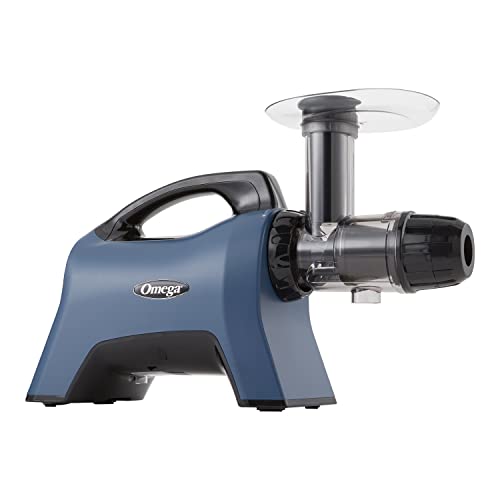
The Omega MM1500BL is the only model in this exact shortlist whose verified Amazon listing includes both an adjustable celery end cap and a standard produce end cap. The celery component creates a specialist pathway for repeated stalks; the standard component keeps other supported ingredients in scope. That is a meaningful distinction, but only when the owner selects, installs, adjusts, and cleans the correct part according to the current manual.
A dedicated cap does not eliminate washing, cutting, pulp checks, jams, or cleaning. It also adds a model-specific piece to identify and store. Shoppers who make celery occasionally may prefer the simpler general-purpose workflow of the Ninja JC151 or Omega All-in-One. Buy the specialist only when specialization solves a repeated job.
Horizontal, vertical, hopper, and twin-gear choices
Horizontal single-auger machines provide a visible, deliberate feed path and need counter length for the motor, tray, juice cup, pulp container, and front disassembly. Vertical machines save width but require under-cabinet height and bowl access. Large hoppers can reduce active loading for compatible prepared ingredients, yet they do not turn long stalks into universal whole-feed produce.
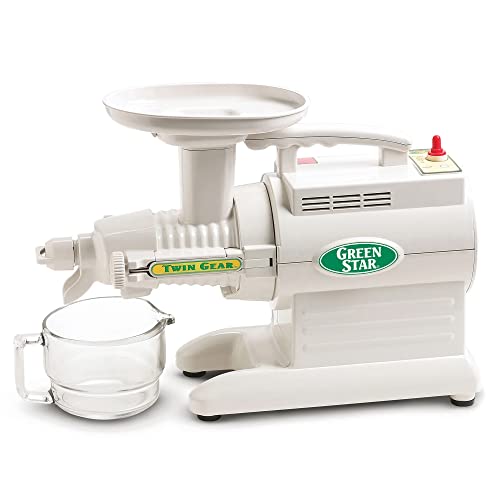
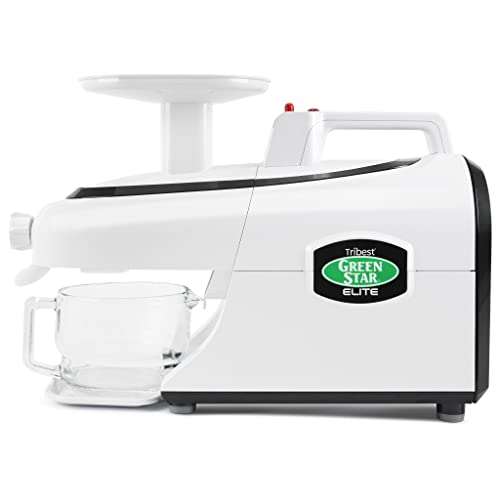
Twin-gear Greenstar models use two interlocking extraction gears and their own screens and pressure components. They suit shoppers willing to trade simpler assembly for a controlled greens-and-fibers station. No format is categorically best. The right shape is the one that fits the normal recipe, the working counter, the preparation the owner will perform, and the cleanup the owner will repeat.
Horizontal single auger: deliberate celery control and a longer workstation.
Vertical or hopper: different loading rhythm and counter shape, with model-specific cutting.
Twin gear: specialist greens and fibers path with more alignment and cleaning.
Do not universalize whole-stalk claims
Feed-opening size is not a celery instruction. A large throat or hopper may reduce some cutting, but long strands can still bridge or wrap after the stalk enters. Follow the exact model manual for piece size, stalk orientation, fill level, ingredient order, safety locks, supplied pusher, and the correct response to a stall. Do not copy a measurement from a different brand or a social video.
Before cutting, rinse celery thoroughly under running water, remove stickers and damaged areas, and keep it separated from raw animal foods. FDA guidance says not to wash fruits and vegetables with soap, detergent, or commercial produce wash. Clean hands, tools, boards, containers, and approved juicer parts are part of the workflow; juicing does not sterilize produce.
Pulp movement is the best early warning
Position the pulp container so the outlet remains visible when possible. If pulp slows or stops, juice output changes sharply, material rises in the throat, or the motor note changes, stop adding celery. Some model manuals provide a brief reverse procedure; others require power-off, unplugging, pressure release, and disassembly. Reverse should never be assumed or repeated indefinitely.
Forcing more material can pack the screen or outlet more tightly. Extra wattage cannot clear a closed path safely. Read the jam procedure before the first batch and stop for grinding, leaking toward the base, burning odor, smoke, persistent heat, cracked parts, damaged wiring, or an abnormal safety lock.
Yield needs a repeatable method
A universal celery-yield percentage would be misleading. Stalk freshness, trimming, starting weight, piece size, machine setup, cap or screen, feed pace, pulp retained in the juice, foam, and measurement method all affect the apparent result. A thicker glass can look like greater yield because it carries more suspended pulp.
Compare at home with similar washed starting weights, the correct setup for each model, the same collection vessel, and several ordinary sessions. Record output, texture, visible pulp, preparation time, and cleanup time. The best celery result is not merely the largest number; it is an acceptable glass from a process the household can repeat.
Clean the full fiber path before it dries
Celery residue collects in screen mesh, auger grooves, gear teeth, pressure caps, seals, housing channels, and pulp outlets. After the batch clears normally, switch off and unplug as directed, disassemble in the documented order, remove loose pulp, rinse approved parts, brush the screen from permitted directions, inspect narrow channels, and let every component dry fully. Keep the motor base and cord dry.
Dishwasher guidance is part- and model-specific. Tribest currently distinguishes some Elite and Pro removable parts from Original and Gold families, and that detail must not be generalized across Greenstar. Removable does not mean dishwasher-safe. Confirm detergent, temperature, rack placement, and hand-wash exclusions in the exact manual.
Match the second ingredient before buying
A celery-only routine and a celery-led mixed recipe may choose different machines. Loose greens reward controlled feeding; hard roots need manageable pieces; very soft fruit can thicken material; citrus preparation depends on the machine and its rind guidance. The Omega MM1500BL supplies a standard produce end cap for other supported ingredients, while general-purpose models avoid switching a specialist component.
Write down the five ingredients used most often and the servings in an ordinary batch. Then compare the feed path, component choice, container capacity, pulp handling, and screen access for that basket. Do not pay for a wide hopper, twin gears, or nutrition-system attachments unless they change a repeated task.
Measure a working celery station
Measure more than the closed appliance. Include the produce bowl, cutting board, feed tray or open hopper, juice vessel, pulp container, pusher, front or bowl removal, path to the sink, and drying area. Horizontal models need length; vertical models need height; hopper lids need movement; twin-gear parts need a safe place where matched components will not roll or strike one another.
A model stored in a deep cabinet may create more friction than a larger machine left at an accessible station. Weight, noise, and carrying route matter if the juicer moves for every session. Never infer quietness, continuous duty, or safety from a substantial appearance; use verified model documentation.
Confirm the exact listing before purchase
Each of the nine product cards leads to an internal model review and an exact Amazon destination verified for JuicerPress. On Amazon, confirm the full model number, color or package when relevant, included screens and caps, working voltage, seller, condition, current availability, current price, return terms, and the current manual. Similar Omega and Greenstar names can describe meaningfully different systems.
JuicerPress does not publish static prices or invent performance ratings. A live listing today does not guarantee future parts availability, and a product name does not prove every retailer claim. Use the review to define fit, then verify the current transaction details at the destination.
Final celery station checklist
Choose the Omega MM1500BL for dedicated celery hardware, Ninja JC151 for accessible mixed-produce use, Omega All-in-One for horizontal versatility, Omega Hands-Free for batch loading, Omega Compact Vertical for narrower counter width, or a verified Greenstar for a committed twin-gear path. Confirm the exact manual, feed rules, pulp outlet, screens or caps, cleanup, workspace, other ingredients, and support before price becomes the deciding factor.
Picture the complete first week: safe produce washing, model-specific cutting, staging, feeding without force, watching output, responding to a slowdown, disassembling, brushing, rinsing, drying, and storing. The best juicer for celery is the machine whose complete routine remains realistic on an ordinary morning.
Choose a model pathway
Juicers for Celery separates the shortlist into 5 practical routes: dedicated celery hardware, approachable mixed-produce routine, horizontal single-auger versatility, vertical and hopper convenience, committed twin-gear celery station. Start with the route that matches the dominant routine, then read its exact model review before opening the retailer listing.
Dedicated celery hardware
Choose the Omega MM1500BL when repeated celery sessions justify its verified adjustable celery end cap and separate standard produce end cap.
Choose the Ninja JC151 when celery is important but adjustable pulp and a familiar general-purpose cold-press workflow matter more than specialist hardware.
Choose the Omega All-in-One when deliberate horizontal feeding, greens, celery, roots, and supported nutrition-system work justify the longer counter shape.
Compare the Hands-Free model for staged batch loading and the Compact Vertical for narrower counter width, while following each manual's celery preparation rules.
Choose a Greenstar only when celery, greens, wheatgrass, herbs, or roots justify matched gears, pressure components, precise assembly, and detailed cleaning.
For a celery-first household, begin with the Omega MM1500BL and decide whether the dedicated end cap improves a repeated job enough to justify the specialist setup. Choose Ninja for a simpler mixed-produce entry, Omega All-in-One for general horizontal control, a vertical Omega for counter or loading preferences, or Greenstar for a serious twin-gear greens station. Preparation, visible pulp flow, safe jam response, prompt cleaning, and the rest of the weekly produce basket should make the final decision.
Use the Juicer Finder to test the ingredient, routine, space, and budget decision before purchasing.
Frequently asked questions
What is the best juicer for celery in this collection?
The Omega MM1500BL is the dedicated-celery choice; Ninja JC151 is the approachable mixed-produce choice; Omega All-in-One is the horizontal generalist; and Greenstar models are the twin-gear specialists.
Do I need a dedicated celery end cap?
Only when celery is frequent enough to justify model-specific setup and cleaning. Occasional celery users may prefer a simpler general-purpose cold press.
Can celery go into a self-feeding hopper whole?
Do not assume so. Follow the exact manual for cutting, fill level, orientation, and ingredient order even when the hopper is large.
How can I keep celery from clogging a juicer?
Use model-approved cutting, moderate loads, steady feeding, visible pulp flow, the correct cap or screen, and prompt cleaning. Stop feeding when output changes.
Are twin-gear juicers automatically better for celery?
No. They offer a controlled specialist route but require more alignment and cleaning. A single-auger machine may be the better household fit.
Why are no prices displayed?
Amazon prices, sellers, configurations, and availability change. JuicerPress links to the live exact listing so shoppers can verify current transaction details.