Begin with safe produce, hands, tools, and surfaces
FDA recommends washing hands for at least 20 seconds with soap and warm water before and after produce preparation. Keep fruits and vegetables separate from raw meat, poultry, seafood, eggs, their juices, and tools that have not been cleaned. Use a clean cutting board, knife, brush, bowls, and model-approved juicer parts. Powered areas and cords stay dry.
Choose produce that is not bruised or damaged when possible. Cut away damaged or bruised areas and discard anything that looks rotten. Juicing does not make spoiled produce safe, and a fine screen cannot remove a microbial hazard. Plan only a manageable batch so prepared cut produce and collected juice do not sit unnecessarily at room temperature.
Wash under running water, not soap
Wash all produce thoroughly under running water before cutting or juicing, including produce grown at home and items whose skin will be peeled. Washing before cutting helps reduce transfer from the surface to the knife and edible portion. Scrub firm produce such as melons and cucumbers with a clean produce brush, then dry with a clean cloth or paper towel when appropriate for safe handling.
FDA does not recommend washing fruits and vegetables with soap, detergent, or commercial produce wash. Produce is porous, household cleaners can be absorbed, and the effectiveness and residue safety of commercial washes are not established in that guidance. Washing can reduce bacteria but does not eliminate all risk; home juicing remains an untreated process.
Inspect before a wide hopper hides the evidence
Remove stickers, ties, packaging, dirt pockets, spoiled portions, and non-food material before loading. Open or cut an ingredient when inspection is otherwise incomplete. A large chute or batch hopper is a convenience feature, not a substitute for looking at the produce. Whole-fruit marketing never overrides exact instructions for pits, stones, peel, stems, size, or condition.
Count the opening, internal feed path, auger or basket, and pulp exit as separate constraints. An apple may fit through the top yet bridge lower in the chamber; a bent carrot may catch; a large citrus rind may be excluded; a stone fruit may hide a destructive pit. When exact guidance is unclear, cut smaller or ask the manufacturer rather than testing the motor.
Remove pits, stones, and prohibited hard material
Remove peach, plum, cherry, mango, avocado, and similar hard pits or stones before juicing. Follow the manual for apple seeds or cores, citrus peel, pineapple rind, melon rind, hard stems, and other model-specific boundaries. Do not assume an ingredient is safe because another brand accepts it or because a multi-function attachment exists for a sibling model.
Pits and stones can jam or damage augers, gears, baskets, screens, and drive parts. Never feed shells, utensils, twist ties, skewers, or frozen blocks unless the exact model instructions explicitly permit the ingredient and configuration. Use only the supplied or approved pusher. If something unsuitable enters the machine, stop and follow the documented shutdown and service guidance.
Cut fibrous produce across long strands
Celery, mature kale stems, chard stems, pineapple fibers, lemongrass, and similar ingredients can wrap, bridge, or collect at pulp exits. When the exact manual calls for cutting, shorten long fibers across their length rather than feeding a continuous strand. Keep pieces consistent enough to stage and feed without packing the throat.
Do not convert general advice into a universal dimension. A horizontal auger, compact vertical, wide hopper, twin-gear system, and centrifugal basket can have different rules. Start with the exact manual, then observe normal juice and pulp movement. If output slows or fibers rise in the feed path, stop adding produce instead of pushing another firm ingredient behind an obstruction.
Size dense roots for grip and controlled load
Carrots, beets, ginger, turmeric, sweet potato, and other dense ingredients can place a concentrated load on the feed path. Scrub sound roots, trim excluded material, and cut them to the shape and size documented for the model. Short consistent pieces are easier to stage than one long root and help the user notice a stalled outlet before pressure builds.
Use the correct speed or configuration when the manual provides one. A higher wattage label does not authorize larger chunks or harder pressure. Feed at a normal pace with the approved pusher only when directed. Stop for repeated stalling, grinding, unusual odor, heat, smoke, leaking, damaged parts, or a control that does not behave as documented.
Stage leafy greens without making a plug
Separate and rinse leaves so water reaches folds and stems, inspect them, and drain excess surface water consistently. Sort tender spinach and herbs from broad kale, cabbage, collards, or dense chard stems. Some machines work best with manageable loose bundles or alternation with an approved high-moisture or firm ingredient; others use a batch sequence. Follow the exact manual.
Do not pack a hard ball simply because a handful feels easier to feed. Leaves can float, bridge, wrap, or mat against a screen. Feed smaller amounts and watch both outputs. Alternating ingredients is a normal-flow technique, not a cure for a blockage. Once output stops, adding carrot or apple can compress the obstruction.
Handle soft and high-moisture produce deliberately
Ripe berries, grapes, tomatoes, pears, peaches, melon, and other soft or high-moisture produce can create purée, foam, skin fragments, or a wet pulp mass. Remove prohibited pits and damaged fruit, keep portions manageable, and use the screen or filter intended for the recipe. Some mechanisms handle soft fruit better as part of a mixed batch than as the only ingredient.
Stage soft and firmer approved produce separately so the sequence is deliberate. If using a supporting ingredient, alternate only while juice and pulp are moving normally. Do not interpret a thicker result as automatically higher yield or better nutrition. Record texture and decide whether the household prefers the juice as collected.
Treat citrus, peel, and rind as model-specific
Dedicated citrus presses generally use halved fruit on a cone or press cup, while general juicers may require peeled citrus or model-specific pieces. Thick rind and pith can affect bitterness, load, and the pulp path. Wash citrus before cutting even when the peel will not be consumed, because the knife can transfer surface contamination inward.
Do not move an instruction from a reamer to an auger or centrifugal basket. Grapefruit, orange, lemon, and lime also differ in size, rind thickness, seeds, and fit. A pomegranate requires explicit exact-model compatibility and preparation guidance; citrus-press styling alone is not evidence that a machine safely accepts it.
Build a feed-order card for repeated recipes
Write the recipe in loading order with piece-size notes, screen or pulp setting, speed if applicable, vessel placement, and the point at which the pulp container may need attention. Put wet soft ingredients and dry fibrous ones where the exact manual and normal flow support them. Prepare the whole modest batch before power-on so knife work does not happen beside an open moving feed path.
For self-feeding hoppers, respect the fill limit, lid and lock sequence, ingredient distribution, and any required cutting even when active feeding is reduced. For conventional chutes, place the approved pusher nearby and keep hands and utensils away. For twin-gear systems, confirm matched gears, screens, pressure parts, and assembly before loading produce.
Finish prep with a storage and cleanup decision
Decide before starting whether the juice will be served immediately or promptly transferred to a clean covered container and refrigerated. Fresh home juice is generally untreated. Keep the refrigerator at or below 40°F (4°C), maintain the cold chain, and do not invent a fixed safe storage life from a machine type or sealed jug.
After normal flow ends, use the documented shutdown, unplug as directed, and clean before pulp dries. Preparation is complete only when the cutting surface and tools are cleaned, the food-contact route is rinsed or washed by exact instructions, and intact parts are dry. The best prep plan protects the feed path, the finished drink, and the next session without promising a health outcome.
Sources and further reading
For product operation, food handling, and other factual claims, we use primary manufacturer, public-health, and clinical guidance as appropriate.
Recommended starting points
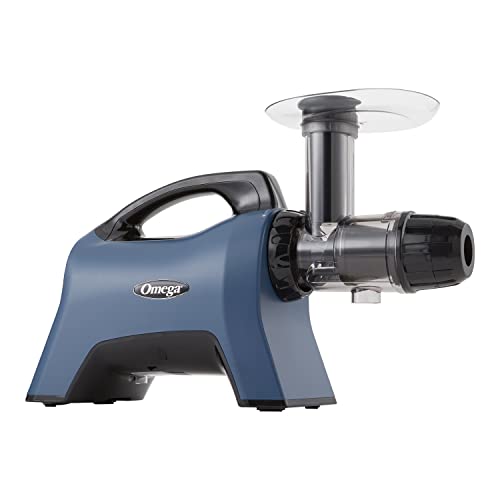
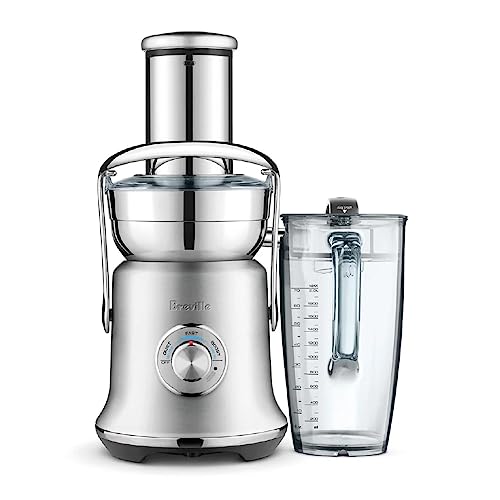
These models represent different mechanisms and ownership tradeoffs for this decision. We do not display prices because Amazon availability and pricing can change.
As an Amazon Associate, we may earn from qualifying purchases.


Frequently asked questions
Should produce be washed with soap before juicing?
No. FDA recommends running water and does not recommend soap, detergent, or commercial produce wash.
Can a wide hopper take every fruit whole?
No. Inspect produce and follow exact rules for size, pits, stones, peel, stems, condition, and loading.
Why cut celery and other long fibers?
Model-approved cross-cuts can reduce wrapping, bridging, and pulp-outlet buildup. Use the exact manual's size guidance.
Can fruit pits go through a juicer?
Remove pits, stones, and any hard material the manufacturer excludes. Fitting through the opening does not make them safe.
Does produce washing make home juice pasteurized?
No. Washing can reduce surface bacteria but does not eliminate all risk or treat the finished juice.
Final verdict
Use the preparation and feeding sequence above for prepare produce for juicing, but let the exact model manual override any general technique. Choose another mechanism if the normal routine repeatedly requires force, unsafe workarounds, or impractical cleanup.