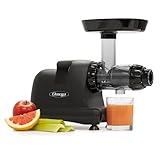
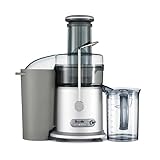
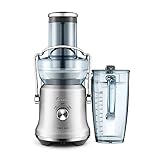
Berry and grape blends, tomato-led juice, ripe mixed fruit, pit-free stone fruit, and structured high-moisture batches.
Choose a soft-fruit juicer by the finished texture, dominant weekly recipe, screen or basket behavior, and whether juice—not smoothie, sauce, or puree—is the intended result.
Curated recommendations
Our juicers for soft fruit shortlist
7 matched picks
As an Amazon Associate, we may earn from qualifying purchases.
Soft fruit can produce a light separated juice, a pulpy drink, thick screen buildup, or puree-like output depending on ripeness, screen, mechanism, feed pace, and recipe. Decide whether the household wants juice, smoothie, sauce, or puree before comparing appliances.
A juicer deliberately separates some solids. A blender retains them, while a food mill or tomato strainer serves a different culinary job. The right first decision can prevent buying an excellent juicer for the wrong result.
Use slow auger for controlled soft-produce feeding
Ninja JC151 makes pulp choice explicit with two included filters. Omega All-in-One, Vertical, and Hands-Free represent horizontal, narrow vertical, and staged-batch paths. These formats help the user control portions and sequence in mixed soft-fruit recipes.
No slow juicer is clog-proof across every ripe fruit. Watch both outlets, stop when flow changes, and compare screen access, bowl retention, seals, reverse guidance, and cleanup before prioritizing hopper size.
Use centrifugal for structured high-moisture batches
Breville Plus and Cold Plus make sense when the recipe is dominated by compatible apples, cucumber, prepared pineapple, watermelon, or other produce with enough structure to shred predictably. They prioritize speed and vessel workflow.
A lower speed does not turn a basket into an auger. Very ripe berries, tomato, peach, pear, or mango can behave as thick pulp, so mechanism should follow the weekly recipe ratio.
Plan berries, grapes, and small servings honestly
Small fruit can leave a meaningful portion around a screen, bowl, auger, or outlet. Large capacity is not automatically efficient for a handful of berries. Compare retained liquid, filter access, and cleanup against the volume actually made.
Sort spoiled fruit, prepare stems and seeds according to the exact manual, remove every cherry or stone-fruit pit, and add modest portions rather than dumping a bowl into the feed path.
Separate tomato juice from tomato processing
A juicer can make a lighter tomato drink by separating liquid from some solids. It is not automatically the correct appliance for sauce, salsa, passata, or soup. For those jobs, a blender, food mill, or tomato-processing attachment may better preserve the wanted pulp.
For tomato juice, choose sound fruit, a preferred pulp filter, controlled feed, a clear pulp outlet, and prompt seed-and-skin cleanup.
Remove every pit and hard rind
Peaches, plums, cherries, mangoes, and other stone fruit must be completely pit-free. Watermelon and pineapple require model-approved rind and core preparation. A wide opening does not override ingredient exclusions or safe knife work.
Wash produce under running water, scrub firm melons before cutting, remove damaged areas, and discard rotten produce. Do not use soap, detergent, or commercial produce wash.
Size vessels for rapid liquid flow
Watermelon, cucumber, grapes, and ripe tomatoes can fill a vessel quickly. Leave headroom, confirm outlet height, and know the documented way to pause for container changes. Pulp-bin capacity and counter clearance matter alongside the juice jug.
A large vessel does not establish continuous-duty approval. Confirm the exact operating and rest limits rather than inferring capability from container size or motor appearance.
Compare pulp, foam, and yield without shortcuts
More suspended pulp can make a volume look larger, while foam and separation change the reading. Produce variety, ripeness, trimming, starting weight, screen, basket, pressure, feed pace, and retained material prevent a universal yield percentage.
Use equal prepared weights and several ordinary sessions. Record the complete recipe, texture, output, retained liquid, pulp, preparation, interruptions, and cleanup.
Make cleanup a purchase criterion
Berry seeds, grape skins, tomato pulp, and pineapple fibers challenge different areas. Rinse before residue dries, brush permitted mesh surfaces, inspect seals and channels, and let parts dry fully before storage.
Dishwasher safety belongs to an exact part. Ninja identifies dishwasher-safe juice-contact parts for JC151, but shoppers must verify every other model and component independently.
Treat fresh juice as perishable
Fresh household juice is generally untreated and can carry microorganisms from produce, hands, tools, or equipment. Clean the station, use sound produce and a clean vessel, consume promptly or refrigerate promptly, and use qualified guidance for higher-risk people.
No juicer sterilizes produce, guarantees a storage period, prevents oxidation, or creates a medical outcome. Compare appliances on workflow and verified features instead.
Choose a model pathway
Juicers for Soft Fruit separates the shortlist into 5 practical routes: approachable pulp control, horizontal or compact vertical control, staged mixed batches, fast high-moisture recipes, broader twin-gear station. Start with the route that matches the dominant routine, then read its exact model review before opening the retailer listing.
Approachable pulp control
Two included pulp filters make Ninja the clearest starting point when the desired body of a soft-fruit juice is still being defined.
A specialist alternative only when soft fruit shares the station with roots, celery, greens, and wheatgrass often enough to justify detailed assembly and cleaning.
Begin with Ninja JC151 for explicit pulp choice, Omega All-in-One or Vertical for controlled single-auger feeding, Omega Hands-Free for staged compatible batches, Breville Plus or Cold Plus for firmer high-moisture speed, and Greenstar 5 only for a committed multi-ingredient specialist station. Let the desired texture and ordinary recipe eliminate the wrong mechanism first.
Use the Juicer Finder to test the ingredient, routine, space, and budget decision before purchasing.
Frequently asked questions
What is the best juicer type for soft fruit?
A controlled slow auger is the strongest default for soft-fruit mixed recipes, while a blender or food mill may better fit puree and sauce.
Can one machine handle berries, tomatoes, and watermelon equally well?
Not necessarily. Those ingredients differ in pulp, seeds, skin, structure, and liquid flow, so the dominant weekly recipe should choose the mechanism.
Must every stone fruit be pitted?
Yes. Remove every hard pit or stone before the flesh approaches a juicer.
Do wide chutes eliminate preparation?
No. Rind, pits, stones, damage, shape, and exact model limits still control preparation.
Why are prices omitted?
Amazon prices, sellers, and availability change. The current listing is the reliable transaction source.