Decide whether juice is the right result
Berries contain valuable flesh, skin, seeds, and fiber, much of which a juicer may send toward the pulp container or retain around the screen. If the goal is a thick strawberry drink, blueberry smoothie, seed-containing puree, or complete-fruit beverage, a blender may be more direct. A juicer makes sense when the preferred result is a separated liquid used alone or as part of a mixed juice.
Grapes release free liquid more readily than many berries, but skins, seeds, and stems still change the process. Establish the desired texture, serving size, and acceptable pulp loss before choosing a machine or recipe.
Sort before washing
Spread the fruit in a shallow layer and remove moldy, leaking, fermented-smelling, crushed, or otherwise spoiled pieces. Cut away damaged areas only when the remaining fruit is sound; discard fruit that looks rotten. Stems, leaves, packaging, ties, stickers, and field debris do not belong in the feed path.
Cherries and other pitted fruit require a separate visual and hand check after every pit is removed. Never rely on a hopper, blade, screen, or gear to reveal a missed stone safely. Keep prepared pit-free fruit in a clearly separate bowl.
Wash without soaking the workflow in false promises
FDA guidance recommends washing produce thoroughly under running water and does not recommend soap, detergent, or commercial produce wash. Wash hands before and after preparation, clean the board, knife, bowls, vessel, and approved juicer parts, and keep washed fruit away from raw animal foods and dirty surfaces.
Handle delicate berries gently so washing does not turn sound fruit into broken pulp before it reaches the machine. Drain in a clean colander and use a clean cloth or paper towel when drying is appropriate. Washing can reduce surface material; it does not sterilize fruit.
Choose a small-batch-friendly setup
A very large hopper can hold a meaningful share of a small berry serving in corners, around the auger, or against the screen. For a handful of fruit, low retained volume and quick screen access may matter more than capacity. Assemble the exact screen or pulp filter, place both collection vessels, close the outlet only as documented, and have the approved pusher and brush ready.
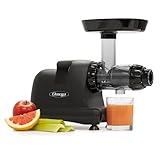
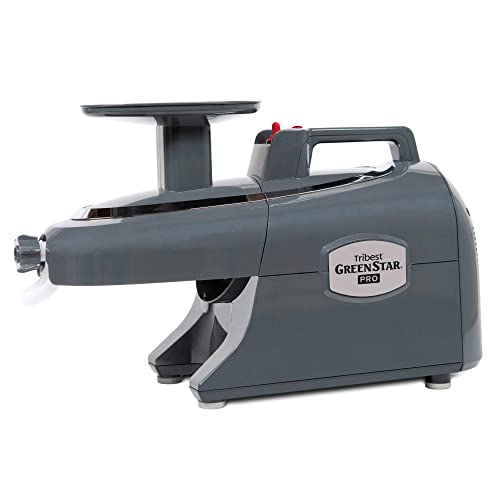
Ninja JC151 is an approachable route because it includes two pulp filters. Omega All-in-One and Omega Vertical provide deliberate slow-auger paths in different counter shapes. Greenstar models add pressure and twin-gear complexity that only makes sense for a broader specialist routine.
Stage a recipe that can move
A berry-only batch can be thick and small, so decide whether the recipe includes grape, apple, pear, cucumber, citrus prepared for the exact model, or another compatible ingredient. Record every amount separately. Added high-moisture produce changes volume, flavor, acidity, sweetness, foam, and apparent yield; it should not disappear into a berry-performance claim.
Arrange the sequence before starting. Use manageable portions and alternate textures only while the machine is operating normally. Do not begin with every firm ingredient and end with a solid mass of berries.
Feed berries in modest portions
Add only the amount the feed path can grip and move without packing. Let the current portion clear toward both outlets before adding more. Small fruit can tempt users to pour quickly, but a sudden bowlful can cover an auger, crowd a chute, or load fine mesh faster than pulp exits.
Use only the supplied or approved pusher, and never insert fingers, spoons, knives, brushes, or improvised tools into a powered opening. A wide feed opening changes preparation convenience; it does not make uncontrolled loading safe.
Handle grapes by their actual condition
Sound seedless table grapes, seeded varieties, thick-skinned grapes, and overripe grapes do not behave identically. Remove spoiled grapes and prepare stems or seeds according to the exact manual and recipe. Do not make a universal claim that every stem or seed is accepted merely because one demonstration used it.
Grapes can create rapid liquid flow while skins and seeds accumulate elsewhere. Watch the pulp outlet and screen area, leave capacity in the juice vessel, and pause only through the documented procedure when a container needs emptying.
Stop at the first meaningful change in flow
A gradual texture change can be normal across a mixed batch, but stopped pulp, sharply reduced juice, rising material, repeated stalling, leaking, grinding, smoke, electrical odor, or unusual heat requires attention. Stop feeding immediately. Adding apple, cucumber, or another firm ingredient after flow stops can compact the obstruction.
Use reverse only if the exact manual provides it and follow its timing. Otherwise switch off, unplug, wait for motion to stop, and disassemble in the stated order. Correct portion size, sequence, screen choice, assembly, or ingredient condition before restarting.
Judge texture after the complete batch is combined
The first liquid from grapes may look different from the later berry-rich portion. Stir the collected batch gently before judging body, foam, or separation. A fine filter can create a lighter drink while holding more material at the screen; a more open filter may leave more pulp in the glass. Neither result is universally better.
Do not equate a thicker volume with superior yield. Suspended solids, foam, retained liquid, and supporting ingredients all alter the measurement. For comparison, use equal prepared fruit weights, the same configuration, the same vessel, and several normal sessions.
Treat fresh berry and grape juice as perishable
Fresh household juice is generally untreated. FDA notes that bacteria on raw produce can enter the juice unless the produce or juice has been pasteurized or otherwise treated. Use clean hands, equipment, and containers, consume promptly or refrigerate promptly, and do not rely on acidity, color, or a cold-press label to guarantee safety.
People at increased risk from foodborne illness should follow qualified public-health or medical guidance. JuicerPress does not claim a machine sterilizes juice, extends storage for a guaranteed number of hours, or creates a health treatment.
Clean seeds, skins, and mesh promptly
Unplug as directed, remove parts in the documented order, discard loose pulp, rinse approved components, and brush the screen from the allowed direction. Inspect the chute, auger grooves, bowl, seals, outlet, pulp path, filters, vessels, and any pressure component. Dried berry pigment and grape skin are harder to remove than fresh residue.
Dishwasher use is part-specific. Ninja identifies dishwasher-safe juice-contact parts for JC151, but another brand or component may require hand washing. Keep the motor base and cord dry, avoid unapproved abrasives or chemicals, and let everything dry fully before storage.
Use the pulp only when it fits the recipe and handling plan
Berry or grape pulp may contain skins, seeds, and mixed ingredients. It can sometimes be used in a compatible culinary recipe, but do not promise that every pulp batch is pleasant, safe for long storage, or suitable for every person. Track what entered the machine and discard pulp that includes unwanted material or has been held unsafely.
Pulp reuse does not rescue an unsuitable appliance choice. If most desired solids are leaving the glass and the household wants them retained, choose a blender or food mill next time rather than treating waste management as the primary workflow.
Final berry and grape workflow
Choose the intended texture, sort fruit, discard spoiled pieces, remove stems or every pit as required, rinse under running water, stage a modest recipe, assemble the correct filter, feed small portions, alternate only during normal flow, watch both outlets, stop at a slowdown, combine the full batch, handle it as perishable food, and clean before residue dries.
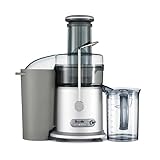
Use Ninja JC151 for explicit pulp choice, Omega All-in-One or Vertical for controlled single-auger feeding, Greenstar only for a broader specialist routine, or a compatible centrifugal model when grapes and firmer high-moisture produce dominate. If a thick complete-fruit drink is the goal, use a blender instead.
Sources and further reading
Models relevant to this decision
As an Amazon Associate, we may earn from qualifying purchases.



Frequently asked questions
Is a juicer or blender better for berries?
Use a juicer for a separated liquid and a blender when retaining the whole-fruit texture and fiber is the goal.
Can grapes go in a juicer with stems?
Do not assume so. Remove debris and prepare stems, seeds, and fruit according to the exact model manual and recipe.
Why do berries clog a juicer screen?
Soft flesh, skins, and seeds can load fine mesh quickly, especially when a large portion is added at once or pulp is not moving normally.
Can cherries be juiced whole?
No. Remove every pit and inspect the prepared fruit before it approaches the machine.
Can another ingredient clear a berry clog?
Not after flow has stopped. Stop feeding and use only the documented reverse, shutdown, and disassembly procedure.
How long does fresh berry juice last?
JuicerPress does not promise a universal storage time. Treat fresh household juice as perishable, refrigerate promptly, and follow qualified food-safety guidance.
Final verdict
Use the preparation and feeding sequence above for juice berries and grapes without loading the screen, but let the exact model manual override any general technique. Choose another mechanism if the normal routine repeatedly requires force, unsafe workarounds, or impractical cleanup.