High moisture does not mean one mechanism fits everything
Watermelon and cucumber release liquid quickly but have different rind, seed, and pulp behavior. Tomatoes combine free liquid, seeds, skins, and soft flesh. Grapes release abundant juice while skins remain. Pineapple brings high moisture plus firmer fibers and a hard outer rind. A single label cannot describe the entire feed path.
Choose by the ingredient that dominates, the desired texture, and the batch size. A slow auger favors controlled soft-produce feeding; a centrifugal basket favors speed with compatible firm or structured ingredients. A blender or food mill may be better when the goal is puree, sauce, soup, or retained whole-fruit body.
Tomato juice and tomato sauce are different jobs
A juicer separates part of the tomato solids into pulp. That can support a lighter savory drink, but it may be the wrong tool for sauce, passata, or salsa where more flesh is wanted. Very ripe tomatoes can create thick pulp and quickly load a fine screen. Start with sound fruit and a small batch before committing a full harvest.
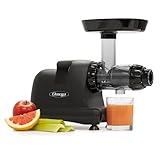
Ninja JC151, Omega All-in-One, and similar controlled auger routes make sense for tomato-led mixed juice. Choose the available pulp filter or screen according to the manual and preferred body. Stop when pulp movement changes rather than forcing a soft mass through narrowing mesh.
Watermelon begins with rind hygiene and capacity
FDA recommends washing produce under running water and scrubbing firm produce such as melons with a clean produce brush, even when the rind will be removed. This reduces the chance of transferring surface material inward with the knife. Cut away bruised areas and discard produce that looks rotten. Remove rind and prepare flesh and seeds according to the exact model guidance.
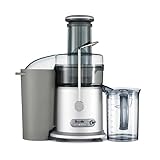
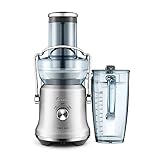
Watermelon can fill a vessel rapidly. Leave headroom for foam, position the outlet securely, and know how to pause or empty containers under the manual. Breville Plus, Compact, Cold Plus, and Hamilton Beach provide fast-basket pathways when high-moisture batches dominate; Ninja offers a slower controlled alternative.
Pineapple combines liquid with persistent fiber
Remove the crown and hard outer rind, inspect the flesh, and cut pieces that enter without wedging. Core preparation is model- and recipe-specific; do not infer universal permission from a wide chute. Pineapple fibers can collect around screens, baskets, outlets, and auger grooves, so visible pulp movement and prompt brushing matter.
A centrifugal machine can make fast work of a structured pineapple-led batch, while a slow auger gives more control when pineapple supports greens, ginger, or softer fruit. The best choice depends on the complete weekly basket, not one vacation-sized batch.
Cucumber and grapes can support mixed flow
Compatible cucumber or grapes may add liquid to a mixed recipe and help distribute thick soft-fruit material while the machine is operating normally. Record them separately because they change flavor, volume, sweetness, acidity, foam, and apparent yield. They are ingredients, not maintenance tools.
Once an outlet stops, adding more high-moisture produce can worsen a blockage or create leaking. Stop feeding, follow the documented reverse or shutdown procedure, and inspect assembly, screen condition, pulp path, portion size, and feed pace before restarting.
Prepare the full station before the first cut
High-moisture batches need a clean board, stable knife area, prepared-produce bowl, pulp container, juice vessel, spare container if appropriate, approved pusher, cleaning brush, and a clear route to the sink. Measure lid and pusher clearance, outlet height, pulp-bin removal, and space to stir the finished batch.
A large jug does not prove the motor is approved for uninterrupted operation. Confirm the exact duty guidance and pause or rest requirements. The correct station prevents a full vessel from becoming an emergency while the machine is still running. Divide a large harvest into planned rounds, keep unprocessed produce refrigerated when appropriate, and fully finish the model's required stop, empty, reassembly, or rest sequence between rounds. Avoid balancing a second container under a moving outlet or removing the pulp bin while the machine runs unless the exact manual expressly provides that workflow.
Feed for predictable liquid and pulp movement
Start with manageable pieces and let each portion move before adding another. Soft tomato can smear if poured too quickly; watermelon can overwhelm a small vessel; pineapple can load the mechanism abruptly; grapes can send liquid faster than skins exit. Watch both outlets rather than looking only at the glass.
Use only the supplied or approved pusher. Stop for rising material, stopped pulp, a sharp change in juice flow, repeated stalling, leaking, grinding, smoke, electrical odor, unusual heat, or a damaged component. Never reach into a powered feed opening.
Foam and separation are not automatic defects
Fast baskets can introduce more visible foam, while soft ingredients and filter choice can leave suspended pulp. Tomato and watermelon juice may separate after standing. Stir the complete batch gently and decide whether the household prefers a lighter or fuller texture before labeling the result poor.
Use a compatible froth separator or filter only as documented. Do not promise that one mechanism prevents oxidation, preserves nutrients for a fixed time, or creates a universally superior juice. Ingredient condition, air exposure, handling, temperature, and storage all change the result.
Measure output without confusing water with efficiency
Watermelon, cucumber, grapes, and tomatoes naturally contribute abundant liquid, so a fuller jug does not prove a machine extracts dense or fibrous produce better. Pineapple ripeness, trimming, pulp, foam, retained material, screen, basket, pressure, feed pace, and measurement method all affect the comparison.
Use equal prepared weights, the same recipe, configuration, vessel, and procedure across several sessions. Record preparation, active feeding, interruptions, output texture, retained liquid, pulp condition, cleanup, and waste. A repeatable workflow is more useful than a single dramatic volume.
Handle fresh juice as untreated perishable food
FDA explains that bacteria on raw fruit and vegetables can enter fresh juice unless the produce or juice has been pasteurized or otherwise treated. Wash hands, produce, tools, vessels, and approved food-contact parts; discard rotten material; and keep prepared ingredients away from contamination. Soap, detergent, and commercial produce wash are not recommended for produce.
Consume promptly or refrigerate promptly, and follow qualified guidance for people at increased foodborne-illness risk. JuicerPress does not guarantee a storage period, claim that acidity sterilizes juice, or imply a cold-press label makes untreated juice risk-free.
Clean according to the residue that remains
Tomato seeds and skins can collect at mesh and outlets, watermelon pulp can dry into a tacky film, grape skins can lodge in channels, and pineapple fibers can wrap or bridge. Switch off and unplug as directed, disassemble in order, rinse approved parts, brush the screen or basket, inspect seals and the pulp path, and dry fully.
Dishwasher-safe claims are model- and part-specific. Keep the motor base and cord dry and avoid unapproved abrasives, chemicals, boiling water, or tools that can damage mesh, plastic, seals, or coatings. Prompt ordinary cleaning is safer than aggressive stain or residue removal later.
Final high-moisture produce workflow
Choose slow auger for tomato-led or soft mixed juice, centrifugal for compatible structured high-moisture batches, and another appliance when puree or sauce is the true goal. Wash and inspect produce, scrub melon rind before cutting, remove hard rind and pits, stage manageable pieces and adequate vessels, follow duty limits, watch both outputs, stop at flow changes, stir before judging texture, handle the juice as perishable, and clean promptly.
Use the soft-fruit hub to compare Ninja and Omega controlled pathways with Breville and Hamilton Beach fast-basket options. Confirm the exact manual, configuration, current Amazon listing, seller, availability, price, and return terms before purchasing.
Sources and further reading
Models relevant to this decision
As an Amazon Associate, we may earn from qualifying purchases.



Frequently asked questions
What type of juicer is best for tomatoes?
A controlled slow auger is the strongest starting point for tomato-led juice. Use a food mill or blender when sauce, puree, or retained solids are the goal.
Should watermelon rind be washed if it will be removed?
Yes. FDA recommends washing and scrubbing firm melons before cutting so surface material is not transferred inward by the knife.
Is centrifugal or cold press better for watermelon?
Centrifugal suits fast high-moisture batches; a slow auger offers more controlled mixed-produce feeding. Vessel capacity and cleanup often decide.
Can pineapple go through a juicer with the rind?
Remove the crown and hard outer rind, then follow the exact model guidance for flesh, core, and piece size.
Why does fresh juice separate?
Produce composition, suspended pulp, foam, mechanism, and standing time affect separation. Stir gently and treat the juice as perishable.
Does a large jug mean continuous operation?
No. Container capacity does not establish a duty cycle. Follow the exact operating and rest guidance.
Final verdict
Use the preparation and feeding sequence above for juice tomatoes and high-moisture produce, but let the exact model manual override any general technique. Choose another mechanism if the normal routine repeatedly requires force, unsafe workarounds, or impractical cleanup.