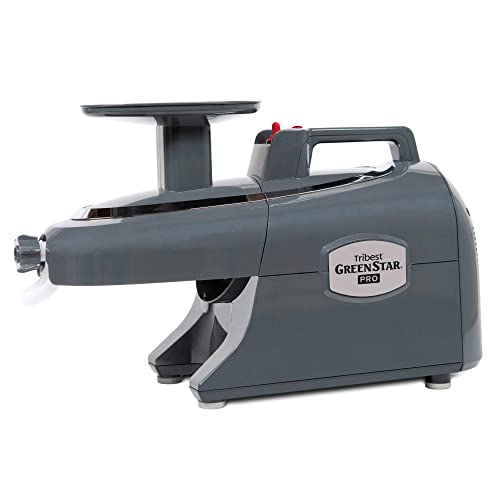
Compare five exact slow-auger and twin-gear juicers for tomato-led drinks by pulp choice, seed and skin movement, retained solids, screen access, cleanup, and model identity.
Tomato-led savory juice and controlled mixed recipes where the preferred pulp level is clear.
Choose a tomato juicer only after deciding whether the goal is separated juice or a thicker sauce, soup, salsa, passata, or puree better made with another appliance.
Curated recommendations
Our juicers for tomatoes shortlist
5 matched picks
As an Amazon Associate, we may earn from qualifying purchases.
Know before you buy: Professional naming and construction do not by themselves establish restaurant certification or suitability for every commercial setting.
A juicer separates liquid from part of the skin, seeds, and flesh. A lighter drink and a culinary puree are different outputs, so do not buy by the word tomato alone.
Very ripe fruit can load a fine screen rapidly. Start with sound tomatoes, a modest portion, and the screen that matches the preferred body.
Controlled augers are the practical starting point
Ninja JC151 provides two pulp filters; Omega All-in-One and Vertical offer deliberate horizontal or narrow vertical feeding; Greenstar models add specialist pressure and cleanup.
Stop feeding when pulp movement changes. Another ingredient is not a safe ram for a stopped tomato mass.
Prepare and clean around seeds and skins
Wash sound fruit under running water, remove damaged areas, discard rotten produce, and cut to the exact feed guidance.
Rinse mesh, seals, bowls, and pulp channels before tomato residue dries. Dishwasher use must be verified for each exact part.
Handle fresh tomato juice as perishable
Use clean hands, tools, vessels, and food-contact parts. Fresh household juice is generally untreated and should be consumed or refrigerated promptly.
JuicerPress does not claim tomato juice treats a condition or that a particular mechanism guarantees nutrient retention or storage life.
Choose a model pathway
Juicers for Tomatoes separates the shortlist into 3 practical routes: pulp-choice starting point, horizontal or vertical slow auger, specialist twin gear. Start with the route that matches the dominant routine, then read its exact model review before opening the retailer listing.
Pulp-choice starting point
A clear household path when choosing between less and more pulp matters.
Choose Ninja for clear pulp choice, Omega All-in-One or Vertical for controlled slow-auger feeding, or Greenstar only for a broader specialist station. Use a different appliance when sauce or puree—not separated juice—is the actual goal.
Use the Juicer Finder to test the ingredient, routine, space, and budget decision before purchasing.
Frequently asked questions
Is a juicer best for tomato sauce?
Usually not by default. A food mill, blender, or tomato processor may better retain the solids wanted for sauce.
Why does tomato clog a fine screen?
Soft flesh, skin, and seeds can create thick pulp faster than it exits, especially with overripe fruit or large portions.
Should tomatoes be peeled or seeded?
Follow the exact recipe and model guidance. Remove damaged or rotten material and never assume one preparation rule fits every machine.
How should fresh tomato juice be stored?
Treat it as perishable and refrigerate promptly when not consumed. JuicerPress does not promise a universal storage period.