Soft fruit is a texture problem before it is a power problem
Soft fruit bends, smears, and releases thick pulp differently from an apple or carrot. Berries can disappear into screen mesh, ripe pears can become almost sauce-like, grapes release liquid quickly while skins remain, and tomatoes combine free liquid with seeds and soft flesh. More motor power does not solve those behaviors. Screen area, pulp outlet, feed pace, ingredient condition, and the rest of the recipe matter more.
Decide what the finished drink should be. A juicer separates liquid from a portion of the solids; it is not a blender, food mill, tomato strainer, or smoothie maker. If the goal is a thick berry drink, tomato sauce, mango puree, or complete-fiber smoothie, another appliance may waste less food and create the intended texture more directly.
Slow augers give the operator more control
A slow-auger machine lets the user feed modest portions and watch both juice and pulp movement. That control is useful when soft fruit is alternated with firmer or more fibrous ingredients in a mixed recipe. Ninja JC151 includes two pulp filters, making it a practical starting point for households that want to choose between less and more pulp rather than assume every soft ingredient should produce the same body.
Omega All-in-One uses a horizontal path for deliberate piece-by-piece feeding, while Omega Vertical saves counter width and changes how produce enters the bowl. Omega Hands-Free makes more sense when staged mixed batches matter. None should be treated as a guarantee against screen buildup. The correct screen, sound produce, manageable portions, and prompt cleaning remain essential.
Centrifugal machines belong to firmer high-moisture recipes
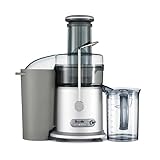
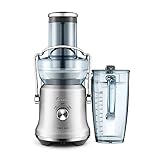
A fast cutting disc and mesh basket can be efficient when the recipe is led by apples, cucumber, pineapple flesh, watermelon, or other produce with enough structure to shred predictably. Breville Juice Fountain Plus provides an everyday two-speed path, while Cold Plus favors a larger vessel and broader batch station. These machines are less convincing when a recipe is mostly overripe berries, soft tomato, peach flesh, or mango.
A lower speed on a compatible model may help with approved softer produce, but it does not convert a centrifugal basket into an auger. Expect different foam, pulp, separation, and basket-cleaning behavior. Choose this mechanism because the weekly recipe is mostly firm or high-moisture—not because its motor-on time looks fastest in a demonstration.
Berries and grapes need small-batch honesty
A handful of berries can leave a meaningful share of its pulp in a chute, bowl, screen, auger housing, or outlet. Grapes provide more free liquid but still bring skins and seeds, and exact preparation depends on the fruit and machine guidance. Large hoppers do not automatically recover small ingredients better. For low-volume recipes, retained material and the number of parts washed can outweigh nominal capacity.
Compare equal prepared amounts in several normal sessions. Record the supporting ingredients separately, collect in the same vessel, and note liquid, suspended pulp, foam, screen buildup, retained fruit, and cleanup time. Do not infer a universal yield percentage from one ripe batch or from pulp squeezed by hand.
Tomatoes require a clear end goal
A tomato juicer can make a drinkable separation of liquid and pulp, but it will not automatically produce the texture wanted for sauce, salsa, passata, or soup. Ripe tomatoes can move as thick pulp and may load a fine screen quickly. A slow auger supports deliberate feeding and mixed savory juice; a dedicated food mill or tomato-processing attachment may be more appropriate when the goal is culinary puree with more solids.
Use sound tomatoes, remove damaged or rotten areas, and prepare them within the exact manual. Do not force a soft mass through a slowing outlet. Stop adding produce when pulp movement changes, use the documented response, and clean seeds and skins before they dry around mesh, seals, or narrow channels.
Stone fruit must be completely pit-free
Peaches, nectarines, plums, cherries, mangoes, and similar fruit have hard pits or stones that must never be assumed safe for a juicer. Remove every hard center before the flesh approaches the feed opening, inspect the cut pieces, and follow the exact model guidance for skin and size. Wide-chute language is not permission to process a whole stone fruit.
Very ripe flesh can bridge in a hopper or create thick output even after the pit is gone. Start with a small amount and pair it only with compatible ingredients while the machine is flowing normally. If the desired result is thick and spoonable, a blender or food processor may be the more sensible tool.
High-moisture produce changes the container decision
Watermelon, cucumber, grapes, and ripe tomatoes can send liquid to the vessel quickly. Pineapple also contributes abundant liquid but adds firmer fibers, while melon and tomato create different pulp. A small juice cup or pulp bin can become the bottleneck before the motor reaches any limit. Check vessel capacity, pulp-container placement, outlet height, anti-drip behavior, and how the batch is stirred before pouring.
Capacity must be evaluated across the complete session. A larger jug is useful only if the machine can process the planned recipe within its documented operating limits and the counter has room for produce, cutting, pulp, and cleanup. Never infer continuous-duty approval from a large container.
Ingredient sequence is useful only during normal flow
In a compatible mixed recipe, alternating a soft ingredient with a firmer or higher-moisture ingredient can help material move and keep flavor distributed. That sequence should be planned before power-on and used only while juice and pulp continue to exit normally. A carrot, apple, cucumber piece, or pineapple chunk is not a ram for clearing stopped berry or tomato pulp.
When flow slows sharply, stop feeding. Use reverse only when the exact machine supplies a documented reverse procedure; otherwise switch off, unplug, wait for movement to stop, and inspect or disassemble as instructed. Repeated backup points to ingredient condition, portion size, screen choice, feed pace, assembly, or a mechanism mismatch.
Pulp preference changes which screen is useful
Soft ingredients can leave more suspended pulp in the glass, so a larger volume does not automatically mean better extraction. A finer filter may create a lighter drink but demand more brushing; a more open filter can retain more body and may suit tomato or mixed fruit preferences. Ninja's two included pulp filters illustrate why texture should be chosen rather than treated as a universal quality score.
Read the exact manual before swapping screens or pressure components. Do not install an accessory from a related model merely because it appears to fit. Evaluate texture after the complete batch is stirred, because early and late portions can differ.
Food safety matters most when produce is ripe and damaged easily
FDA guidance says to wash hands before and after preparation, cut away damaged or bruised areas, discard produce that looks rotten, and wash produce thoroughly under running water. Soap, detergent, and commercial produce wash are not recommended. Firm melons should be scrubbed with a clean produce brush even when the rind will be removed so surface material is not carried inward by the knife.
Fresh household juice is generally untreated and may carry microorganisms from produce, hands, tools, or equipment. Keep the vessel and food-contact parts clean, refrigerate promptly when juice is not consumed immediately, and use qualified medical or food-safety guidance for people at greater risk. A juicer does not sterilize ripe fruit.
Cleanup should decide the shortlist
Berry seeds, grape skins, tomato pulp, and soft fibers can lodge in fine mesh and narrow outlets. Pineapple fibers can create a different but equally persistent cleanup. Rinse approved food-contact parts before residue dries, brush mesh from the permitted direction, inspect seals and pulp channels, and let parts dry fully before storage. Keep the powered base and cord dry.
Dishwasher-safe is an exact-model and exact-part claim. Ninja identifies its juice-contact parts as dishwasher-safe, but that does not extend to another model or every component in the kitchen. Verify placement, temperature, detergent, and exclusions in the current manual before using a dishwasher.
Final soft-fruit buying checklist
Choose Ninja JC151 for approachable pulp choice, Omega All-in-One for deliberate horizontal feeding, Omega Vertical for a narrower counter shape, or Omega Hands-Free when mixed staged batches justify a larger bowl. Choose Breville Plus or Cold Plus when firmer high-moisture produce dominates and speed is the actual priority. Consider Greenstar 5 only when soft fruit is one part of a broader roots-and-greens specialist routine.
Confirm the exact model, current manual, approved ingredients, pit and rind preparation, screens, pressure parts, reverse procedure, vessels, working dimensions, cleanup, seller, availability, current price, and return terms. Then test the choice against the ordinary recipe—not a rare fruit haul or an unrealistic all-soft batch.
Sources and further reading
Models relevant to this decision
As an Amazon Associate, we may earn from qualifying purchases.





Frequently asked questions
What type of juicer is best for soft fruit?
A controlled slow-auger machine is the strongest starting point for soft fruit in mixed recipes. A blender or food mill may be better when the goal is puree, sauce, or a complete-fiber drink.
Can a centrifugal juicer process berries or tomatoes?
Some exact models can process approved softer produce, often at a lower setting, but a fast basket is strongest when firmer high-moisture ingredients dominate. Follow the manual and expect different pulp behavior.
Can peaches, cherries, or mangoes go in whole?
No. Remove every pit or stone and prepare only sound flesh according to the exact model guidance.
Why does soft fruit clog the screen?
Ripe flesh can smear into fine mesh and create thick pulp. Ingredient condition, portion size, screen choice, feed pace, sequence, and cleanliness all matter.
Is more liquid always better yield?
No. Suspended pulp, added high-moisture ingredients, foam, retained liquid, and measurement method can change the volume. Compare repeatable equal-weight batches.
Why are prices not shown?
Amazon prices, sellers, configurations, and availability change. JuicerPress links to the exact current listing instead of publishing a static price.
Final verdict
For best juicer for soft fruit, berries, tomatoes, and grapes, compare Ninja NeverClog JC151 and Omega All-in-One only after the ingredient, working-space, and cleanup requirements pass. The better choice is the model whose documented tradeoff fits the routine you will actually repeat.