Begin with sound, properly stored celery
Choose stalks without visible mold, decay, or extensive bruising. Refrigerate celery and keep it separated from raw meat, poultry, seafood, and their juices. If produce looks or smells spoiled, preparation cannot make it suitable. FDA and CDC food-safety guidance emphasizes clean hands, clean surfaces, separation from raw animal foods, and washing produce before cutting or serving.
Fresh, crisp celery is also easier to feed consistently than severely wilted stalks. That observation is about workflow, not a health promise. Do not attempt to rescue damaged produce for juicing, and do not rely on the machine to remove contamination or make unsafe food safe.
Wash hands, tools, and surfaces first
Wash hands with soap and water for at least 20 seconds before and after handling fresh produce. Clean the cutting board, knife, produce bowl, juice vessel, and the juicer parts approved for washing. Keep the powered base and electrical components dry. If the same counter handled raw animal food, clean it before placing celery or juicer parts there.
Assemble the machine while components are dry enough to seat correctly, and confirm every lock, seal, cap, screen, gear, and container against the exact manual. Food preparation begins before celery reaches the chute; a clean, organized station reduces cross-contamination and assembly mistakes.
Rinse celery under running water—not soap
Rinse the stalks thoroughly under clean running water, moving and separating them so water reaches the base, inner curves, and leafy portions you intend to use. FDA guidance says not to wash fruits and vegetables with soap, detergent, or commercial produce wash. Those products are not the recommended way to clean celery for eating or juicing.
Remove stickers and visible soil. A clean produce brush may be used for firm produce when appropriate, but celery's grooves are usually better addressed by thorough running-water rinsing and inspection. Pat or drain excess water if that makes cutting safer on the board.
Trim by condition and the exact recipe
Remove the dried base, damaged spots, discolored or spoiled areas, and any part the model manual excludes. Leaves are a preference and model question: some people include clean tender leaves for flavor, while others trim them because they can change taste or add loose material. Do not present one choice as nutritionally mandatory.
Keep the knife cuts controlled and the board stable. Celery does not need decorative preparation; it needs pieces that fit the approved feed path without forcing, folding, or packing. Prepare only the amount intended for the batch so cut produce is not left at room temperature unnecessarily.
Cutting length belongs to the machine
A conventional horizontal or compact feed throat may call for short sections, especially with stringy stalks. Cutting across the fibers limits the length of any one strand entering the machine. A batch hopper may accept larger pieces, but its opening size does not prove that uncut stalks are appropriate. Consult the exact manual for maximum piece size, stalk orientation, batch loading, and safety.
Avoid copying a measurement from another brand or a social video. Gear geometry, auger direction, outlet resistance, and hopper design differ. The reliable preparation is the one documented for the model on the counter.
Stage the whole batch before power-on
Place washed and cut celery in a clean bowl, position the juice cup and pulp container, and keep the approved pusher within reach. For a mixed recipe, separate firm, soft, leafy, and fibrous ingredients so you can follow the model's recommended order rather than improvising with a full chute. Keep pits, stones, utensils, twist ties, and packaging away from the feed area.
Staging makes the pulp outlet easier to monitor because you are not cutting while the machine runs. It also lets you stop cleanly if juice or pulp flow changes. Never leave a powered juicer unattended simply because it has a batch hopper.
Feed steadily and never force the stalks
Add only the amount the machine can grip and move. Let one portion enter before crowding the throat with more. Use the supplied pusher only as the manual directs; never insert fingers, knives, spoons, or improvised tools. A loud change, stalled auger, rising material, stopped pulp, leaking, heat, electrical odor, or grinding is a reason to stop and use the model's documented response.
Some manuals allow a brief reverse cycle to release a normal obstruction. Reverse is not a universal reset button. If it does not restore normal movement, power off, unplug, and inspect only as the manual permits.
Mixed recipes need a planned sequence
Celery combines readily with many supported fruits and vegetables, but ingredient order changes the pulp path. Loose greens can bunch, soft fruit can create thick puree-like pulp, and dense roots can require smaller pieces. Alternating textures may help some models keep material moving, but only within their ingredient and feeding guidance.
For a first session, use a simple recipe rather than testing every difficult ingredient at once. Observe how the machine handles celery, then add one supporting ingredient in later batches. This creates useful knowledge without turning a clog into a mystery involving five different textures.
Measure output without making a yield promise
If you want to compare preparation methods, start with the same weight of similarly fresh washed celery. Use the same machine, correct setup, cutting standard, feed pace, and collection vessel. Record liquid volume or weight, visible pulp, foam, retained liquid, preparation time, and cleanup time. Repeat the test before drawing conclusions.
Do not compare one home batch directly with a manufacturer percentage measured under unknown conditions. A finer screen may produce a lighter texture and different volume than a coarser screen. The useful measure is repeatability for your preferred glass, not a universal claim that a certain cut guarantees more juice.
Serve and store with ordinary food-safety care
Treat fresh, unpasteurized juice as a perishable food. Use clean containers, minimize unnecessary room-temperature time, refrigerate promptly when it will not be consumed immediately, and follow current public-health guidance. FDA notes that unpasteurized juice can contain harmful bacteria; people at higher risk should pay particular attention to product labeling and professional medical advice.
Juicing does not sterilize produce. Clean handling, sound ingredients, refrigeration, and sensible batch size matter more than unsupported claims about storage, oxidation, or health effects.
Rinse before celery fibers dry
After the final portion has cleared normally, turn off and unplug the machine according to the manual. Disassemble in order, remove loose pulp without sending a heavy fiber mass down the drain, rinse approved parts, brush both sides of the screen, clear the pulp outlet, and inspect auger grooves, caps, seals, and channels. Keep the base and cord dry.
Dishwasher use must be verified for the exact model and part. Air-dry components fully before reassembly or storage. Prompt cleaning is part of preparation because it determines whether the station is ready and pleasant to use the next time.
Final celery preparation checklist
Use sound refrigerated celery; wash hands, board, knife, containers, and approved parts; rinse the stalks under running water without soap; remove stickers and damaged areas; cut only as the exact model directs; stage the batch; install the correct screen or celery component; position both containers; and keep the pulp exit visible.
Feed without force, follow the manual for reverse or jams, stop for abnormal operation, handle the fresh juice as perishable, and clean before residue dries. If preparation still feels excessive, compare the celery collection by hopper format and cleanup rather than simply buying a larger motor.
Sources and further reading
For product operation, food handling, and other factual claims, we use primary manufacturer, public-health, and clinical guidance as appropriate.
Recommended starting points
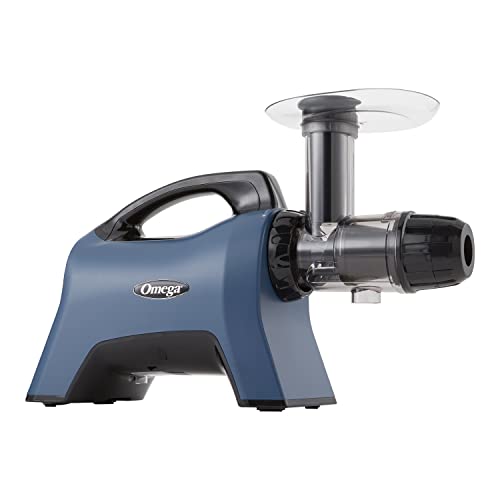
These products were retrieved through our connected Amazon catalog for JuicerPress.net. We compare them by mechanism and shopping fit and do not display prices because availability and pricing can change.
As an Amazon Associate, we may earn from qualifying purchases.




Frequently asked questions
Should celery be washed before juicing?
Yes. Rinse it thoroughly under running water, inspect the stalks, and remove damaged areas before cutting. Wash hands, tools, surfaces, and approved juicer parts as well.
Can I wash celery with dish soap?
No. FDA guidance says not to use soap, detergent, or commercial produce wash on fruits and vegetables. Rinse celery under running water.
How small should celery be cut for a juicer?
Use the exact model manual. Conventional feed paths may call for shorter sections cut across the fibers; a large hopper does not make whole stalks universally appropriate.
Should celery leaves go in the juicer?
That depends on taste and the model's approved ingredients. Clean tender leaves may be included when permitted, but they can change flavor and feeding behavior.
Can fresh celery juice be stored?
Treat it as perishable, use a clean container, refrigerate promptly, and follow current public-health and individual medical guidance. Juicing does not pasteurize or sterilize produce.
Final verdict
Wash hands and equipment, rinse celery thoroughly under running water without soap or detergent, remove damaged areas, and cut the stalks only as the exact juicer manual requires. Cutting across long fibers into shorter sections can help models that call for smaller pieces, but large-hopper claims never override the manual. Stage the batch, keep the pulp outlet visible, feed without force, stop if flow changes, and rinse the screen and channels before residue dries. Eliminate the wrong mechanism first, verify the model-specific operating guidance, and use the Juicer Finder or related collection hubs to compare the strongest remaining options.