Begin with a machine that actually supports wheatgrass
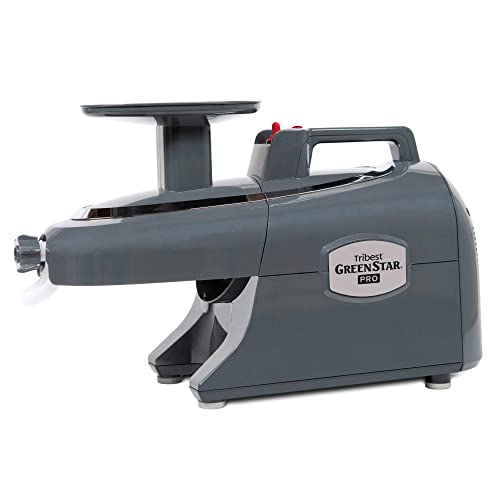
Wheatgrass is a specialist ingredient: thin blades are flexible, fibrous, and normally processed in a relatively small volume. A wide fruit chute, large hopper, or high wattage does not establish suitability. Start with current documentation for the exact model. In this verified catalog, Tribest identifies wheatgrass for the Greenstar Pro GS-P502 and Greenstar 5 GS5 families, and the Omega All-in-One supplies a simpler horizontal single-auger path for greens-focused use.
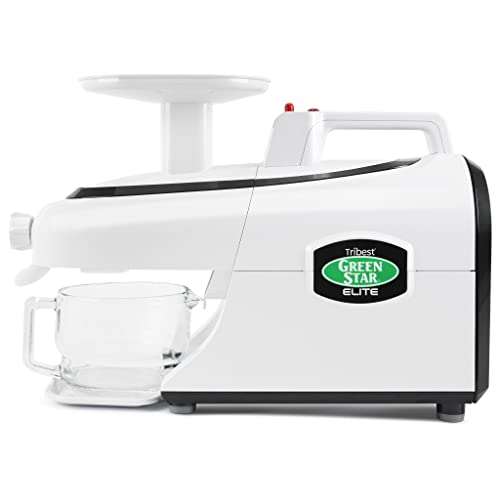
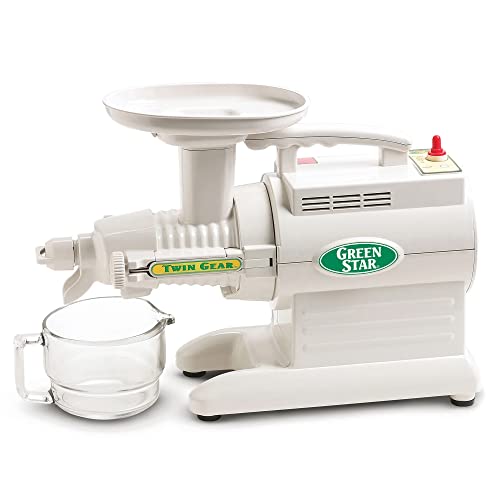
Greenstar Original and Elite are adjacent twin-gear choices for shoppers comparing the older and established mechanisms, but listing configuration and included accessories must be confirmed. Do not infer capability from a similar model name. Check the current manual, seller, voltage, screens, pressure parts, pusher, condition, and support before purchase.
Wash, sort, and stage the blades safely
Begin with sound wheatgrass handled as food. Wash hands and clean the knife, board, collection vessel, and approved juicer parts. Rinse the blades thoroughly under running water; do not use soap, detergent, or commercial produce wash. Remove damaged or spoiled material, growing medium, ties, packaging, and obvious debris. A juicer does not sterilize the grass or correct poor storage.
Drain excess water when that improves safe handling, then prepare only the amount intended for the session. Position both juice and pulp vessels, confirm the approved screen and pressure setup, assemble the auger or matched gears exactly, and keep the supplied pusher in reach. Learning the dry assembly sequence before adding grass prevents hurried alignment mistakes.
Cutting and bundling are model-specific
Some wheatgrass-capable systems accept a manageable loose bundle; another manual may specify trimming, portion size, or a particular screen. Avoid copying a universal handful measurement from a different machine or video. The feed throat, gear gap, auger flight, outlet resistance, and pressure components determine how the fibers move.
Do not twist the blades into a dense rope unless the exact manufacturer guidance calls for it. A compact portion should still be able to enter without hard pressure. Pre-measure several small feeds rather than pushing the entire batch at once. Keep fingers and utensils out of the powered opening and use only the approved pusher as directed.
Feed slowly enough to observe both outputs
Add a small amount and let the mechanism grip it. Watch for juice at one outlet and processed pulp at the other. Continue only while movement remains normal. Wheatgrass can mat against a screen or pack around a pressure component, so a steady visible pulp path is the best early signal that the batch is progressing.
If the machine stops taking grass, pulp flow pauses, material rises, or the motor sound changes, stop adding more. Extra grass does not push a closed path open; it can make the obstruction tighter. Use the exact model's brief reverse procedure if provided, or power off, unplug, and disassemble in the documented order.
Mixed wheatgrass juice needs a planned sequence
A compatible high-moisture or firm ingredient can make a mixed recipe easier to manage when alternated during normal flow. The choice and preparation must fit the manual. Using apple, carrot, cucumber, celery, or another ingredient changes flavor, texture, and apparent yield, so it should be recorded rather than treated as part of the wheatgrass measurement.
Never add another ingredient as a ram after output has stopped. If the goal is a wheatgrass-only serving, choose a machine and batch size that can process the grass on its own according to documentation. If the goal is a mixed green juice, stage the full recipe and alternate textures intentionally instead of finishing with all the grass at once.
Twin gear and single auger create different routines
A horizontal single auger is simpler to align and may be easier for a household rotating wheatgrass with mixed greens and roots. A true twin-gear Greenstar creates a narrow specialist path and offers model-specific pressure and screen choices, but matched gears, housing, and additional parts demand careful assembly and brushing. More components can be worthwhile when the ingredient is frequent; they are not automatically better for every user.
Measure the full station. The body, feed tray, pusher, juice vessel, pulp container, front disassembly, brush, sink route, and drying area all consume space. A machine stored inconveniently can make a small wheatgrass serving feel disproportionately difficult. Choose the process that fits the normal schedule, not the most elaborate mechanism available.
Compare wheatgrass yield without marketing shortcuts
Yield varies with grass variety, blade length, freshness, moisture, trimming, starting weight, wash water, feed size, screen, pressure, machine configuration, retained liquid, foam, and measurement method. JuicerPress does not publish a universal percentage or claim that one mechanism guarantees maximum nutrition. A thicker output can look larger because more fine plant material remains suspended.
For a fair kitchen comparison, weigh equal prepared grass, use the correct setup, collect the output in the same vessel, keep supporting ingredients separate, and repeat across several sessions. Record preparation, active feeding, output, texture, retained material, and cleanup time. A small numerical advantage may not justify an assembly and cleaning routine the household avoids.
Brush screens and gear surfaces before fibers dry
Fine grass fibers can remain in screen mesh, gear teeth, auger grooves, pulp outlets, pressure caps, housings, seals, and corners. After the final material clears normally, switch off and unplug as directed. Disassemble in the exact order, remove loose pulp, rinse approved food-contact components, brush reachable mesh from permitted directions, inspect narrow channels, and dry every part before storage.
Dishwasher directions differ among Greenstar families and parts. A statement for Elite or Pro cannot be applied automatically to Original, Gold, or Greenstar 5. Removable never means dishwasher-safe by itself. Keep the powered base and cord dry, and never use a sharp tool that can damage screen mesh, seals, gears, or plastic housings.
Treat fresh wheatgrass juice as unpasteurized
Home-pressed wheatgrass juice is generally unpasteurized. Produce, hands, tools, growing material, and equipment can introduce microorganisms, and extraction does not remove every hazard. Use clean containers, refrigerate promptly when not consuming immediately, and follow public-health guidance for people at increased risk from foodborne illness. Discard juice when handling or storage safety is uncertain.
Avoid storage promises based solely on slow speed, oxidation language, or a particular juicer mechanism. Time, temperature, hygiene, ingredient condition, container, and headspace all matter. Make a realistic quantity for prompt use instead of relying on a maximum-day claim, and seek qualified medical advice for individual dietary or safety questions.
Final wheatgrass workflow and model path
For a wheatgrass-first station, compare Greenstar Pro GS-P502 and Greenstar 5 GS5 first because their current manufacturer materials explicitly include wheatgrass. Consider Greenstar Elite or Original when their exact configuration and ownership routine fit, or Omega All-in-One when a simpler horizontal single-auger workflow is more practical. Verify every current listing and manual before purchase.
The repeatable process is to clean the station, rinse and inspect the grass, prepare model-approved portions, assemble the correct screen and pressure path, feed small amounts, watch both outputs, stop at a change in flow, clean before fibers dry, and handle the finished juice as perishable unpasteurized food. That disciplined routine matters more than exaggerated yield or health promises.
Sources and further reading
Models relevant to this decision
As an Amazon Associate, we may earn from qualifying purchases.


Frequently asked questions
What type of juicer should I use for wheatgrass?
Use a model whose current documentation supports wheatgrass. A controlled horizontal single-auger or verified twin-gear machine is the strongest starting point.
Which verified models explicitly include wheatgrass?
Current Tribest materials for Greenstar Pro GS-P502 and Greenstar 5 GS5 explicitly include wheatgrass among intended produce. Always confirm the exact current model and manual.
Should wheatgrass be fed as one large bundle?
No universal bundle size is safe or effective. Prepare and feed only the small amounts permitted by the exact model manual.
Can another ingredient clear stuck wheatgrass?
Do not add produce after flow stops. Follow the documented reverse, shutdown, and disassembly procedure instead of packing the obstruction.
How do I compare wheatgrass yield?
Use equal prepared weights, the correct configuration, the same vessel, and repeated normal sessions. Record texture, retained material, prep, and cleanup with volume.
Does wheatgrass juice treat or prevent illness?
JuicerPress does not make medical promises. Appliance selection and safe food handling do not establish treatment, prevention, detoxification, or guaranteed health outcomes.
Final verdict
Use the preparation and feeding sequence above for juice wheatgrass: machine choice, feeding, yield, and cleanup, but let the exact model manual override any general technique. Choose another mechanism if the normal routine repeatedly requires force, unsafe workarounds, or impractical cleanup.