Describe the residue before trying to remove it
Examine the clean, unplugged, dry part in good light. A sticky film around a cap or spout suggests juice and fine pulp; a chalky or cloudy patch that follows water lines may suggest mineral residue; orange, purple, or green color may be produce pigment; and a stale smell can point to trapped organic material or damp storage. These observations guide the next manual check but do not establish a chemical diagnosis.
Note the exact component and material, when the mark appeared, which ingredients were used, the water source, normal detergent, dishwasher use, and whether the part dried nested or open. Keep electrical odor, hot-plastic smell, smoke, swelling, cracks, loose coatings, and corrosion separate from ordinary food staining. Those can be stop-use or support issues rather than cleaning projects.
Repeat the ordinary approved clean first
Remove loose pulp, rinse, and wash the part by the current instructions before reaching for a special treatment. Clean around screen frames, wipers, cap threads, bowl channels, seal grooves, vessel lids, pulp outlets, and the underside of augers or cones. A hidden strip of residue can continue to smell while the visible surface appears spotless.
Use the supplied or approved brush and the documented water temperature. Do not make the normal wash stronger by adding more detergent or extending contact indefinitely. Rinse as directed and inspect after the part dries, because wet plastic and metal can hide haze. If ordinary cleaning works, no deposit treatment is needed.
Treat hard-water haze as model-specific care
Minerals in water can remain when droplets dry, especially on transparent bowls, stainless surfaces, fine screens, and container rims. Manufacturer instructions sometimes specify a method for mineral deposits, but the method and compatible parts vary. Find the exact care section or contact support before using an acid or commercial descaler.
Vinegar and citric acid are common internet suggestions, not universal permission. Their concentration, contact time, temperature, and interaction with metal, coatings, silicone, plastic, adhesives, and finishes matter. Never combine an acid with bleach or another household cleaner. If the maker provides no approved deposit treatment, do not invent one for an expensive or safety-critical part.
Separate pigment from cleanliness and damage
Beet, carrot, turmeric, berries, greens, and citrus can color some food-contact surfaces. A stain that remains after approved washing is not automatically trapped soil, and a color-free surface is not proof that every mesh opening or channel is clean. Inspect texture, smell, residue, and structural condition separately.
Prompt cleaning can reduce pigment contact time, but aggressive scouring can scratch a part and make later care harder. Do not use whitening chemicals, abrasive pads, sunlight exposure, oil, or a paste treatment unless the exact manufacturer approves it for that component. If discoloration accompanies cracks, swelling, roughening, peeling, or a changed fit, stop and ask about replacement.
Trace odors to moisture and hidden food paths
Smell the dry components separately rather than the assembled appliance as one unit. Inspect the juice cap, pulp flap, silicone seals, filter frame, auger grooves, wiper carrier, vessel lids, pitcher gasket, pulp bin, supplied brush, drying mat, and storage container. A clean part stored slightly damp can develop a stale odor, while a soiled brush can reintroduce residue during every wash.
Repeat the approved cleaning process on the responsible part and allow complete air circulation. Do not mask food-contact odor with fragrance, essential oil, coffee grounds, deodorizer, or another absorbent unless the maker specifically recommends it. Persistent odor from an inaccessible sealed area belongs with support rather than unauthorized disassembly.
Keep food-safe language precise
A part that looks brighter or smells neutral has not been proven sterile. Household juicer care should be described as cleaning by the manufacturer’s process, not validated sanitizing unless a primary instruction supplies an exact procedure and compatible product. FDA’s home-juice guidance emphasizes clean hands, sound produce washed under running water, and careful preparation because raw produce can carry bacteria into untreated juice.
Do not rely on a cold-press mechanism, stainless appearance, antimicrobial-sounding marketing, or home remedy as a food-safety guarantee. People at higher risk from foodborne illness need current public-health and medical guidance about untreated juice. Appliance care is one control in the preparation chain, not a treatment that pasteurizes the beverage.
Protect the motor base and non-submersible frame
Wipe only by the method stated for the powered housing or fixed press frame, with the appliance unplugged. Do not spray vents, switches, seams, pivots, drive connections, or cord entries. Avoid allowing a deposit-removal solution to run from a bowl or cloth into an electrical area. A finish-safe method for removable plastic is not automatically suitable for exterior paint, stainless cladding, labels, rubber feet, or a press coating.
If juice or cleaning liquid enters a powered area, if corrosion is visible near electrical or load-bearing components, or if odor resembles hot insulation rather than produce, stop using the machine. Drying or covering the smell does not verify electrical safety. Contact the manufacturer with the model, event, and photographs.
Know which combinations to avoid
Never mix bleach with acids, ammonia, or another cleaner. Do not move from one chemical to another without the rinsing and compatibility steps in the approved instructions. Avoid boiling water, ovens, microwaves, steam, solvents, metal polish, abrasive powder, melamine foam, and dishwasher cycles for parts that are not explicitly approved.
The absence of immediate visible damage does not prove compatibility. A seal can swell, clear plastic can craze, a coating can dull, or an adhesive joint can weaken later. Manufacturer support is the right place to ask about an unlisted deposit or persistent mark. A conservative process protects both food-contact surfaces and part identity.
Inspect fit and function after the care attempt
After the permitted treatment, rinse and dry completely. Confirm seals remain flexible and correctly shaped, screens are flat and intact, bowls and caps have no cracks, transparent parts have no new clouding or stress lines, and labels or alignment marks remain readable. Reassemble while unplugged and check that locks engage without added force.
Do not operate a basket, screen, auger, gear, bowl, or pressure component that has changed shape or fit. If a part remains sticky, rough, odorous, swollen, cracked, corroded, or uncertain after the approved process, replace it through the exact model channel. Cleaning is not worth trading away structural or electrical confidence.
Prevent recurrence through routine and water control
Begin normal cleaning promptly, rinse detergent as directed, shake or drain accessible water, and dry components with airflow before nesting or enclosure. Inspect the rack and brush themselves. If hard water is the repeating issue, ask the manufacturer whether an approved periodic method exists rather than increasing chemical strength. Keep pigment-heavy pulp from drying on pale or transparent parts.
Store the manual, model number, and purchase record with a note about every approved special-care method. A repeatable log prevents a later household member from combining treatments or mistaking a discolored but intact part for a dirty one. Prevention is less dramatic than a cleaning hack, but it is easier to verify and less likely to damage a model-specific component.
Final decision: clean, replace, or escalate
Continue routine use only when the part is clean by its approved process, dry, intact, correctly fitting, and free from electrical warning signs. Replace a user-replaceable component when residue cannot be removed through permitted care, damage affects the food path or assembly, or the maker says its condition warrants replacement. Escalate powered-area moisture, smoke, electrical odor, persistent heat, damaged wiring, severe corrosion, failed locks, and inaccessible contamination.
Record the exact model and part number before ordering. Similar-looking bowls, screens, seals, cones, and caps are not safely interchangeable merely because they fit an opening. The correct outcome is sometimes a clean stain, sometimes a new part, and sometimes a service conversation—not a stronger scrub.
Sources and further reading
For product operation, food handling, and other factual claims, we use primary manufacturer, public-health, and clinical guidance as appropriate.
Recommended starting points
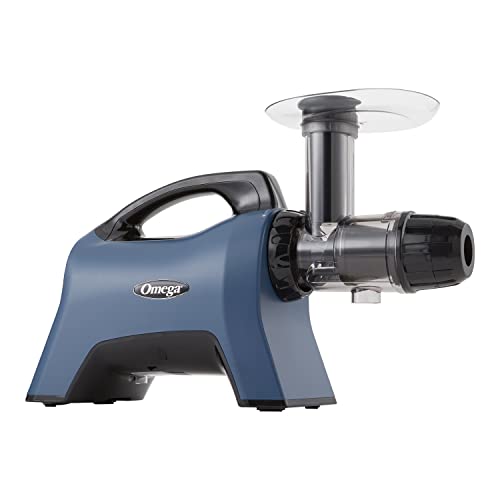
These models represent different mechanisms and ownership tradeoffs for this decision. We do not display prices because Amazon availability and pricing can change.
As an Amazon Associate, we may earn from qualifying purchases.


Frequently asked questions
Can I use vinegar on every juicer part?
No. Vinegar is not universal permission. Use it only when the exact manufacturer guidance approves the concentration, part, and contact time.
Does a turmeric or beet stain mean the part is dirty?
Not necessarily. Inspect residue, texture, smell, damage, and fit separately after the approved wash; do not attack pigment with an unapproved abrasive or chemical.
Why does a clean juicer still smell?
Check cap edges, seals, frames, grooves, lids, outlets, brushes, drying surfaces, and nested damp parts for trapped residue or moisture.
Can I mix bleach and vinegar to remove buildup?
No. Never mix bleach with acids, ammonia, or another cleaner. Use only the exact model’s approved care method.
When should a stained or odorous part be replaced?
Use the manufacturer path when permitted cleaning cannot resolve residue or odor, or when the part is cracked, swollen, roughened, corroded, peeling, warped, or no longer fits correctly.
Final verdict
For juicer mineral buildup, stains, and odors: a care guide, compare Omega MM1500BL Celery Juicer and Tribest Greenstar 5 GS5 only after the ingredient, working-space, and cleanup requirements pass. The better choice is the model whose documented tradeoff fits the routine you will actually repeat.