Oxidation is a set of reactions, not a countdown timer
Oxidation describes chemical reactions involving oxygen and oxidizable compounds. A cut apple browning is a visible example, but juice contains many compounds that do not all change at the same rate or in the same way. Vitamin C, pigments, aromas, phenolic compounds, and enzymes respond differently to ingredient, pH, temperature, light, processing, packaging, and time. There is no responsible universal statement that a homemade juice loses a certain percentage of nutrients after a fixed number of minutes.
A kitchen can observe color, aroma, foam, separation, and taste. Those observations can help with quality decisions, but none is a complete laboratory measure of nutrient retention or microbial safety. A darker color does not quantify every vitamin, a settled layer does not prove spoilage, and a bright appearance does not prove that an untreated drink is safe. Treat appearance as one part of the serving decision, not a biochemical test.
Cold press and centrifugal describe mechanisms
A cold-press or masticating machine moves prepared produce through an auger, gears, or a pressing path. A centrifugal machine shreds produce against a rotating basket and separates liquid through mesh. These mechanisms affect feed pace, sound, pulp texture, foam, heat transfer, ingredient handling, and cleaning. They do not by themselves establish the nutrient content of a particular finished recipe.
The starting produce matters enormously. Variety, ripeness, growing conditions, storage before juicing, washed surface water, trimming, peel inclusion, recipe proportions, and pulp setting can differ before the motor starts. A comparison that changes the apples, serving size, filter, vessel, or measurement method cannot isolate mechanism. Shoppers should reject a dramatic nutrient claim unless the cited evidence actually tested the same outcome, juice, equipment conditions, and time period.
RPM cannot measure oxidation or shelf life
Revolutions per minute describe rotational speed at a particular part of a machine. RPM is not dissolved oxygen, temperature, vitamin concentration, enzyme activity, microbial count, or storage duration. A lower number may describe a slower auger workflow, but it is not a direct measurement of chemical preservation. Likewise, a high basket speed does not tell a shopper how much heat reached the collected liquid or what happened to each nutrient.
Machine design includes more than motor speed: feed geometry, cutting or crushing surfaces, screen area, juice path, pulp retention, residence time, airflow, and the amount of liquid left in the housing all matter. Even then, a mechanism comparison should be based on controlled measurements rather than category slogans. JuicerPress uses RPM to explain workflow only when the exact manufacturer publishes it, not to promise superior nutrition or a longer safe storage window.
Foam, separation, and browning answer different questions
Foam is gas held in a liquid film. It can change with ingredient, feed pace, pulp, pouring, vessel shape, and extraction mechanism. Separation occurs when suspended particles and liquid settle into layers. Stirring may restore texture when the juice has been handled safely, but it does not reverse time or establish safety. Browning may reflect enzymatic and chemical changes in some ingredients, yet it still cannot summarize the complete nutrient profile.
Record these features if texture matters to the household. Use the same recipe, prepared weight, vessel, rest time, and observation point when comparing machines. Describe the result plainly: more surface foam, quicker settling, darker color, or more suspended pulp. Do not translate those observations into claims such as more oxygen, dead nutrients, detoxification, or a guaranteed storage life without the measurements needed to support them.
Published storage studies are specific, not universal
Peer-reviewed juice research can demonstrate why broad promises fail. Studies of orange juice have measured particular vitamins, pigments, flavor compounds, treatments, packaging materials, storage temperatures, and sampling times. Those experiments do not create one storage rule for untreated celery, apple, carrot, leafy-green, citrus, or mixed home juice. A paper about processed packaged orange juice should not be presented as proof that a countertop machine preserves every homemade recipe for the same period.
The useful inference is narrower: composition and storage conditions matter, and measured components can change differently over time. Controlled evidence supports careful handling and claim boundaries; it does not support a universal nutrient clock. JuicerPress links the relevant studies as technical context and relies on FDA guidance, not a transferred laboratory result, for household food-safety advice.
Fiber depends on what remains in the glass
Juicing typically separates a substantial amount of solid pulp from liquid. The finished fiber depends on produce, peel and pulp preparation, screen, filter, pulp setting, and whether separated solids are returned. A thicker juice may retain more suspended material than a fine-filtered one, but appearance alone does not quantify dietary fiber. Blending is a different process because the whole edible portion normally remains in the drink.
That distinction belongs in an appliance decision. Choose a juicer for the texture and workflow wanted, not as a promise that liquid replaces whole produce. If a dietary fiber target matters for a medical or nutrition plan, use reliable nutrition information and individualized professional advice. Product marketing about pulp control can describe texture options; it should not be rewritten as a guaranteed nutrition outcome.
Cold pressed does not mean pasteurized
Cold pressed describes extraction. Pasteurization or another validated treatment is a separate process intended to reduce harmful microorganisms. FDA states that bacteria from fresh produce can enter juice and that untreated juice can cause illness. A household juicer does not become a pathogen-reduction process because its motor is slow, the liquid looks clear, or the produce was rinsed.
Wash hands, use sound produce, wash produce under running water, keep tools and food-contact parts clean, and refrigerate the finished drink promptly when it is not served immediately. Washing can reduce surface bacteria but does not eliminate all risk. Children, older adults, pregnant people, and people with weakened immune systems face greater risk from untreated juice and should follow current public-health and clinical guidance.
Manufacturer storage language needs a label
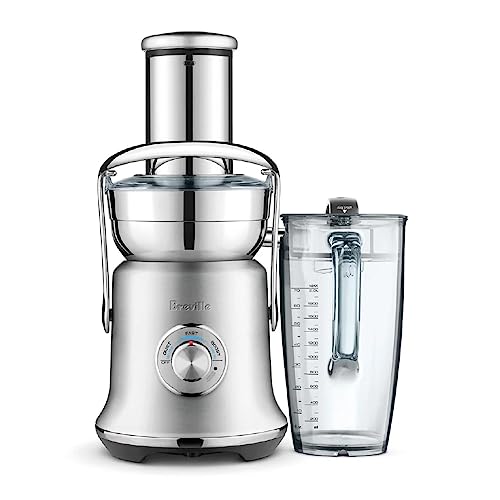
Some manufacturers position a sealed jug or extraction system for a stated quality window. That is useful product information when it is current, exact-model documentation and the consumer follows the stated conditions. It is not a universal safety guarantee and should not be transferred to another machine, vessel, recipe, refrigerator, or person. A product page can describe capacity and a documented container feature without proving nutrient preservation.
Breville, for example, markets a seal-and-store jug with the BJE830. JuicerPress treats that statement as manufacturer positioning for that model and accessory. FDA refrigeration and untreated-juice guidance still govern the safety discussion. The safest editorial phrasing keeps those layers separate: what the maker says the supplied vessel is designed to do, what public-health authorities advise, and what remains unknown about an individual home batch.
Use a quality plan and a safety plan
For quality, choose sound produce, prepare a repeatable recipe, collect the juice in a clean vessel, limit unnecessary warm holding, cover it, refrigerate promptly, and make an amount the household expects to use soon. For safety, begin with clean hands and equipment, wash produce correctly, prevent cross-contamination, maintain a refrigerator at 40°F (4°C) or below, and discard a batch when handling or temperature history is uncertain.
These plans overlap but are not identical. A flavor change can occur without proving a hazard, while harmful bacteria may be present without an obvious smell, taste, or color change. Never taste questionable juice to decide whether it is safe. Do not use lemon, ginger, a tight lid, a vacuum accessory, or a low-speed machine as a substitute for safe produce handling, refrigeration, and appropriate guidance for higher-risk people.
Final evidence-aware comparison
Compare juicers by documented mechanism, ingredient fit, preparation, feed control, pulp texture, container workflow, cleanup, working space, and the kind of serving the household will actually make. If foam and texture matter, run a controlled kitchen comparison and describe only what can be observed. If nutrient retention matters, recognize that no single motor number answers it. If storage matters, size the batch around prompt use rather than shopping for the longest marketing claim.
The honest conclusion is deliberately modest. Cold press can be the better workflow for greens, fibrous produce, quieter operation, or a preferred texture. Centrifugal can be the better workflow for fast firm-produce servings. Neither mechanism makes untreated juice sterile, guarantees a medical benefit, or gives every recipe one fixed oxidation or safe-storage timeline.
Sources and further reading
- FDA: What You Need to Know About Juice Safety
- FDA: Selecting and Serving Produce Safely
- FDA: Are You Storing Food Safely?
- Food Science & Nutrition: Stability of Cara Cara orange juice components during refrigerated storage
- Journal of Agricultural and Food Chemistry: Flavor, color, and vitamin C retention in orange juice packaging
- Ninja NeverClog JC151 product documentation
- Breville Juice Fountain Cold XL BJE830 documentation
- Nama J2 product documentation
Models relevant to this decision
As an Amazon Associate, we may earn from qualifying purchases.


Frequently asked questions
Does slow juicing stop oxidation?
No. A slow mechanism changes the extraction workflow, but it does not stop chemical change or establish one nutrient-retention timeline.
Does foam prove that a juice lost nutrients?
No. Foam is an observable texture feature, not a complete nutrient measurement. Ingredient, feed pace, pulp, pouring, and vessel shape can all affect it.
Is separated juice spoiled?
Not necessarily; particles can settle. But stirring layers together does not prove safety. Use the batch's handling, temperature, time, and public-health guidance.
Is cold-pressed juice pasteurized?
Not automatically. Extraction and pathogen-reduction treatment are separate. Home juice is generally untreated.
Can RPM tell me which juicer preserves more vitamins?
No. RPM does not measure vitamin concentration, oxygen, temperature, microbial safety, or storage life.
Final verdict
For cold-pressed juice: oxidation, fiber, and safety explained, compare Ninja NeverClog JC151 and Nama J2 only after the ingredient, working-space, and cleanup requirements pass. The better choice is the model whose documented tradeoff fits the routine you will actually repeat.