Define the question before weighing anything
Yield can mean collected liquid mass divided by prepared produce mass, liquid volume from a fixed recipe, servings produced, dry-looking pulp, or simply less produce purchased for the usual glass. Those are related but not interchangeable. Decide which outcome matters before comparing machines. A volume-first result may reward suspended pulp and foam; a mass-first result may be easier to repeat; a household-serving result includes the texture people will actually drink.
Write a one-sentence test question such as: how many grams of drinkable juice does this setup collect from 1,000 grams of prepared apples and carrots? Name the filter or pulp setting and the acceptable texture. Without that definition, a comparison can move the goal after seeing the results and make a wetter, thicker, or foamier glass look automatically better.
Start with prepared produce weight
Weigh the portion that will actually enter the machine after removing stickers, spoiled areas, prohibited pits or stones, and any rind, peel, stem, or core excluded by the exact manual or chosen recipe. Do not compare a whole shopping-bag weight against a fully trimmed second batch. Record each ingredient separately when recipes are mixed, because cucumber, citrus, leafy greens, roots, and apples contribute very different amounts of liquid and pulp.
Use produce from the same purchase when possible and note variety, ripeness, temperature, visible dryness, and storage history. Freshness and water content can change the result enough to overwhelm a small machine difference. Drain washed produce consistently; surface water left on one batch becomes collected liquid even though the juicer did not extract it.
Standardize machine setup and condition
Confirm the correct screen, filter, end cap, pressure part, juice cap, seals, pulp outlet, vessels, and assembly for the recipe. A coarse pulp filter cannot be compared with a fine filter as though mechanism were the only variable. Inspect a clean open screen and clear pulp path before the run. Residue or a partially blocked outlet can reduce flow and change retained material.
Follow the exact manual for pre-run assembly and operating sequence. Do not alter pressure parts, defeat a safety lock, add an unapproved strainer, or run a machine dry merely to create a favorable number. A fair comparison uses each model as documented and notes unavoidable configuration differences rather than pretending the setups are identical.
Keep preparation and feed method consistent
Cut produce to the documented size, then use the same piece-size rule for repeated trials. Long celery fibers, loose greens, dense root chunks, soft fruit, and whole apples interact differently with chutes and augers. If one trial uses small cross-cut fibers and another uses full stalks, the result measures technique as much as the machine.
Use a written feed order and a normal pace. Let each portion clear as the manual directs; do not force the pusher or keep adding produce after outputs slow. For a batch hopper, use the same loading sequence and fill limit. For a centrifugal basket, use the correct speed selection for each ingredient. Record jams, reverse cycles, pauses, and pulp-bin clearing because they are part of the actual workflow.
Prefer mass, then record volume and texture
Place the clean collection vessel on a kitchen scale, tare it, and weigh the collected juice in grams. Mass avoids some reading errors caused by foam and a sloped surface. If household serving volume matters, also read the settled liquid in the same marked vessel after the same brief rest. Never press down foam or strain one sample differently after collection unless that step is part of the stated method for every run.
Describe pulp and foam rather than hiding them. A thicker glass may weigh or measure more because it contains more suspended solids. That can be a desirable pulp setting, but it is not the same as extracting more clear liquid. Record whether the household would drink the sample as collected, stir it, skim it, or use a different filter next time.
Account for liquid left inside the system
Some juice remains in bowls, housings, strainers, caps, spouts, auger grooves, gear assemblies, and foam. Let normal flow finish for the same documented period, but do not tilt, shake, scrape, squeeze pulp, or disassemble a powered machine unless the instructions explicitly permit it. A manual recovery step changes the method and can create a misleading advantage.
After shutdown and unplugging, observe where liquid remains during normal disassembly. You do not need to recover and weigh every drop for a useful household test, but note substantial retained volume. This matters especially in ginger shots or other small batches, where a tablespoon retained in a housing is a larger share of the intended serving than it would be in a family batch.
Read pulp as a diagnostic, not a verdict
Wet pulp can reflect produce, recipe, screen, pulp setting, feed pace, blockage, assembly, or normal model design. It does not by itself prove poor extraction. Leafy pulp, citrus membranes, soft-fruit purée, fibrous celery, and centrifugal root pulp should not be judged by one touch test. If output changes unexpectedly, use the dedicated low-yield and wet-pulp troubleshooting guides before changing multiple variables.
For comparison notes, describe consistency and visible free liquid: fine and damp, coarse and springy, purée-like, clumped, or unusually saturated relative to previous runs with the same recipe. Do not squeeze one pulp sample over the juice cup unless squeezing every sample is a declared separate test. Safety and model instructions outrank the desire to rescue a few grams.
Repeat ordinary sessions, not one showcase run
Run the same method on more than one day. A single result is vulnerable to scale error, produce variation, incomplete assembly, a different drain time, or a momentary feed decision. Several ordinary sessions reveal whether the process is stable enough to be useful. Report the range or individual results rather than presenting one best number as a guaranteed average.
If comparing two machines, alternate the order so the first device does not always receive the coldest or freshest portion. Divide and randomize produce as practically as possible. Keep notes simple enough to repeat: prepared grams, collected grams, volume after the set rest, pulp and foam description, active feed time, total cleanup time, and any interruption.
Include time, cleanup, and drinkable result
A slightly larger collected mass may not win the household decision if it requires double the preparation, repeated clearing, or a cleaning process nobody will repeat. Record produce preparation, assembly, active feeding, pauses, pour and container handling, disassembly, brushing, rinsing, and reset. A high-yield claim that ignores liquid trapped in a complicated housing or the pulp texture the household rejects is commercially incomplete.
Also record the serving outcome: smooth or pulpy, foam level, separation after the chosen interval, flavor balance, and usable amount. These are sensory observations, not nutrition measurements. They help identify the machine and filter that fit the actual routine without pretending a kitchen test proves vitamin retention, health effects, durability, or universal ingredient efficiency.
Report what the method can support
A responsible conclusion names the recipe, prepared weight, setup, dates, repetitions, and result range. It says one configuration collected more in those runs, not that the model always has the highest yield. Avoid publishing a percentage without the numerator, denominator, scale method, and treatment of foam and pulp. Never borrow a manufacturer demonstration as independent testing or imply that JuicerPress performed a test it did not conduct.
Use exact model specifications for mechanisms and settings, public-health sources for food handling, and the home worksheet only for personal decisions. The durable value of measurement is not a dramatic leaderboard. It is learning whether low apparent yield comes from the produce, preparation, setting, flow, retained liquid, or a machine that does not fit the repeated recipe.
Sources and further reading
For product operation, food handling, and other factual claims, we use primary manufacturer, public-health, and clinical guidance as appropriate.
Recommended starting points
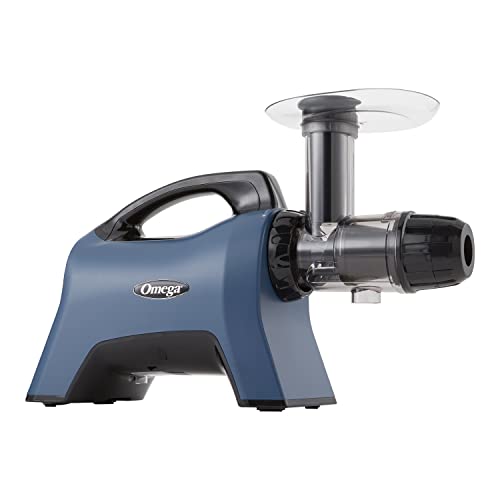
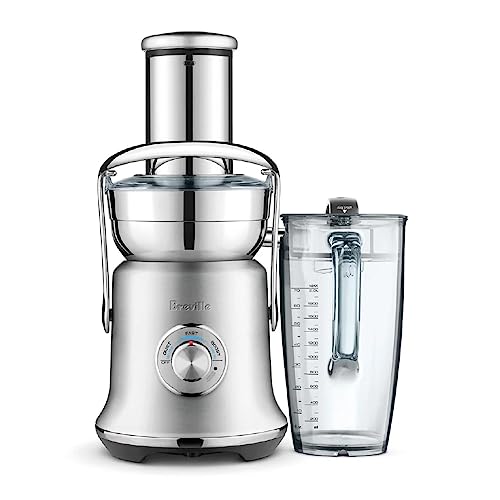
These models represent different mechanisms and ownership tradeoffs for this decision. We do not display prices because Amazon availability and pricing can change.
As an Amazon Associate, we may earn from qualifying purchases.


Frequently asked questions
Should juicer yield be measured by weight or volume?
Mass in grams is usually easier to repeat when foam is present. Record household volume and texture too, but keep the method identical.
Does dry pulp prove a juicer has high yield?
No. Pulp feel varies by ingredient, screen, pulp setting, feed method, and normal design. Measure prepared input and collected output.
Can one kitchen test rank every juicer?
No. It can compare stated setups for a stated recipe. Produce variation and method limits prevent a universal conclusion.
Should I squeeze pulp to measure the missing juice?
Not during the main comparison unless it is a declared and identical separate method. Never use a step the manual makes unsafe.
What else should I track besides juice amount?
Track texture, foam, retained liquid, preparation, feed time, interruptions, cleanup, and whether the result is drinkable as collected.
Final verdict
Use the preparation and feeding sequence above for measure juicer yield without fooling yourself, but let the exact model manual override any general technique. Choose another mechanism if the normal routine repeatedly requires force, unsafe workarounds, or impractical cleanup.