Begin with model identity, not a generic cleaning recipe
Find the rating label and record the exact model number before removing protective packaging. Closely related machines can use different bowls, seals, filters, cleaning tools, rack positions, or dishwasher rules. Open the current manual from the manufacturer and locate the first-use, assembly, cleaning, electrical-safety, and replacement-parts sections. A retailer bullet or an instruction for a sibling model is not a substitute.
Create three groups before water touches anything: washable food-contact parts, wipe-only surfaces, and pieces whose treatment needs confirmation. The motor base, cord, plug, control panel, and non-submersible press frame stay out of the sink unless the exact instructions say otherwise. Photograph the dry factory assembly if that helps identify seal orientation, but rely on the official diagram when the photograph and memory disagree.
Inspect the complete shipment before washing
Lay out the hopper or chute, pusher, lid, bowl or drum, auger or basket, screen, wipers, caps, seals, pulp and juice containers, supplied brush, and documented accessories. Look for cracks, bent mesh, warped plastic, torn seals, damaged locks, loose cutting surfaces, packaging fragments, and a cord or plug that appears damaged. Do not run a damaged machine merely to see whether it works.
Match every accessory to the included-parts list. Similar filters or pressure pieces can have different purposes, and an extra piece should not be installed because it fits loosely. If a component is missing, duplicated, or visually inconsistent with the manual, pause and use manufacturer or retailer support. JuicerPress does not sell, ship, warrant, refund, or process returns.
Wash only the parts the manual identifies
Use the exact first-use method for each removable food-contact part. Depending on the model, that may mean hand washing with the stated type of detergent and water, or placing specific pieces in a dishwasher under stated conditions. Removable never automatically means dishwasher-safe. Ninja currently labels JC151 dishwasher-safe, but that model-specific statement does not extend to every Ninja part or any Omega, Breville, Cuisinart, Tribest, Hurom, or Kuvings component.
Remove packaging dust and manufacturing residue from all approved surfaces, including undersides, channels, spouts, cap edges, filter frames, vessel lids, and supplied utensils. Use soft tools that the maker permits. Do not begin with bleach, abrasive powder, metal picks, essential oils, vinegar, or another household treatment unless the exact instructions approve it for that part and concentration.
Keep powered and non-submersible areas dry
A damp cloth method for an exterior is not permission to spray, rinse, or immerse a motor housing. Keep the appliance unplugged while cleaning and keep water away from the cord entry, plug, switches, vents, drive connection, sensors, and electrical contacts. Wring out the cloth so liquid cannot run into seams. A manual lever press can also include a frame, pivot, coating, or base that the maker does not treat as submersible.
If liquid enters a powered area, do not plug the machine in to test it. Follow the manufacturer’s guidance and support process. The same stop rule applies to a damaged cord, loose control, cracked drive area, electrical odor, or unexplained residue inside a sealed housing. Drying time cannot turn an unknown electrical exposure into a verified safe condition.
Dry, inspect, and practice assembly while unplugged
Place cleaned components on a clean drying surface with air reaching both sides. Separate nested vessels, open caps, expose channels, and keep small seals where they cannot fall into a disposal or be discarded with packaging. Towel contact can reintroduce lint or soil, so use only a clean suitable towel when the instructions call for it and allow remaining moisture to dissipate before assembly.
Practice the documented assembly with the machine unplugged. Confirm the bowl or drum seats, the screen and wiper align, the auger or basket rests correctly, seals face the right direction, containers sit beneath the intended outlets, and safety locks engage without force. Disassemble once more if needed. A first recipe should not be the first time a shopper discovers that a cap, gasket, or pulp path was installed backward.
Prepare hands, produce, tools, and counters as one system
FDA guidance says to begin produce preparation with clean hands, wash sound fruits and vegetables thoroughly under running water, cut away damaged or bruised areas, and discard rotten produce. It does not recommend washing produce with soap, detergent, or commercial produce wash. Wash even an outer surface that will be peeled so a knife does not carry dirt or bacteria inward.
Use clean cutting boards, knives, bowls, brushes, vessels, and food-contact parts. Keep produce and its tools separate from raw meat, poultry, seafood, and surfaces used for them. A clean-looking juicer cannot correct cross-contamination from the prep station. Treat the complete route—from refrigerator or produce basket to finished vessel—as the food-handling workflow.
Understand what cleaning can and cannot claim
Cleaning removes visible soil and residue through the approved washing process. It is not responsible to call an ordinary rinse sterilization, or to promise that a home appliance makes untreated juice pathogen-free. FDA explains that bacteria on raw produce can enter fresh-squeezed juice and that untreated juice can pose serious risks, especially for children, older adults, pregnant people, and people with weakened immune systems.
Use careful language and careful habits: clean hands, sound washed produce, clean food-contact surfaces, correct separation, and prompt handling. Do not infer pasteurization from a slow auger, a stainless finish, a cold-press label, a sealed jug, or a cleaning cycle. Anyone with an individual medical or dietary risk question should use current public-health and clinical guidance rather than a product comparison.
Run a small, observable first batch
Choose a simple approved recipe and a modest quantity. Prepare it to the manual’s size and pit, peel, rind, stem, and seed rules. Position both output containers, start in the documented order, and watch juice and pulp movement. Never reach into a feed opening, defeat an interlock, or substitute a utensil for the supplied pusher. Stop for abnormal grinding, vibration, leaking, heat, smoke, electrical odor, or a control that behaves unexpectedly.
A first batch is a systems check, not a performance benchmark. Do not publish or believe a yield, speed, foam, or dryness conclusion from one small recipe. Note assembly, retained liquid, screen loading, cleanup steps, and any point that requires the manual. Resolve uncertainty before using a larger, denser, or more fibrous load.
Close the first session with the daily routine
Finish the documented drain or stop sequence, wait for motion to end, unplug as directed, stabilize the vessels, and move approved removable parts toward the sink before residue dries. Empty bulk pulp into an appropriate waste or compost route rather than sending solids down the drain. Rinse, wash, inspect, and dry by exact component rules.
Record which brush, rack, drying space, and small-parts tray made the routine work. Store the manual and model number where they can be found. The goal of first-use cleaning is not a ceremonial one-time scrub; it is to establish a repeatable clean-to-assemble-to-clean loop that the household can follow without improvising around electrical parts, sharp surfaces, or fine mesh.
Final first-use checklist
Before serving the first glass, confirm the exact model and manual, undamaged parts, correct wash method, dry powered areas, complete drying, correct seals and locks, clean hands and tools, washed sound produce, and stable output vessels. Confirm that nobody has used a chemical or abrasive not permitted by the instructions. Keep higher-risk household members in mind because fresh home juice is untreated unless it has received a validated treatment.
If any safety-critical step remains uncertain, stop and ask the manufacturer. Convenience begins after the workflow is known, not before. A careful first setup protects the appliance from avoidable misuse and gives every later cleaning session a clear reference point.
Sources and further reading
For product operation, food handling, and other factual claims, we use primary manufacturer, public-health, and clinical guidance as appropriate.
Recommended starting points
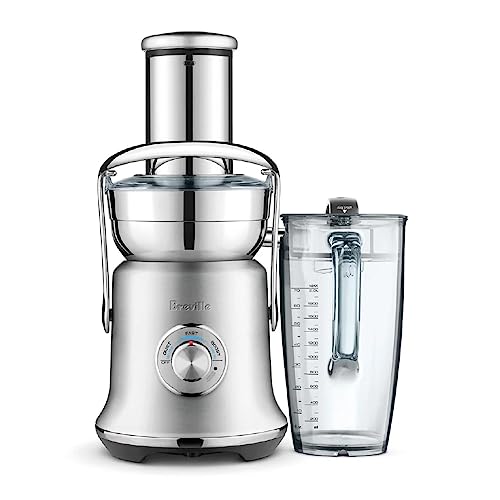
These models represent different mechanisms and ownership tradeoffs for this decision. We do not display prices because Amazon availability and pricing can change.
As an Amazon Associate, we may earn from qualifying purchases.



Frequently asked questions
Should I wash a new juicer before using it?
Yes. Inspect it and wash only the food-contact parts by the exact first-use instructions, while keeping the motor base, cord, plug, and other non-submersible areas dry.
Can I put every new removable part in the dishwasher?
No. Dishwasher permission belongs to an exact model and component. Removable does not mean dishwasher-safe.
Should produce be washed with soap before juicing?
FDA guidance recommends thorough washing under running water and does not recommend soap, detergent, or commercial produce wash.
Does a home cold press pasteurize juice?
No. A mechanism or cold-press label does not establish pasteurization or another validated pathogen-reduction treatment.
What should stop the first test?
Stop for damage, abnormal grinding or vibration, leaking toward powered areas, smoke, electrical odor, unusual heat, a failed lock, or any assembly uncertainty.
Final verdict
Use the preparation and feeding sequence above for clean a juicer before first use: safe setup and food handling, but let the exact model manual override any general technique. Choose another mechanism if the normal routine repeatedly requires force, unsafe workarounds, or impractical cleanup.