There is no category-wide dishwasher rule
Cold press juicers combine plastic bowls, augers, fine metal or composite screens, silicone seals, caps, hoppers, pushers, juice vessels, pulp containers, and a powered base. Heat, detergent, rack movement, and water pressure affect those materials and shapes differently. Two machines that look similar can have opposite instructions for an apparently similar part.
Treat dishwasher-safe as a component-level permission attached to an exact model and current manual. Removable only describes disassembly. BPA-free describes a material claim, not heat tolerance. Stainless steel on a screen does not describe its frame, adhesive, coating, or nearby seal. If the manufacturer does not name the part or provide a clear cleaning rule, do not manufacture permission from a retailer category filter.
Ninja JC151 provides a clear cold press example
Ninja's current JC151 page identifies the model as dishwasher-safe and states that its juice-contact parts are dishwasher-safe. The same page lists the auger, feed-chute chamber, pulp spout, tray and pusher, two filters, juice jug, and pulp container in the box. Use the current product guidance to determine the exact approved load and any placement details before the first cycle.
The wording does not include the motor base in a dishwasher claim. Switch off and unplug as directed, keep the powered housing and cord dry, remove loose pulp, and inspect the filters after washing. A broad permission is not a reason to leave berry seeds, celery fibers, or dried root particles in fine openings or to stack wet parts without ventilation.
Breville Compact shows why the part list matters
Breville's BJE200 instruction book separates parts precisely. It identifies the juice-jug lid, juice jug, juicer cover, integrated pulp container, and Nutri Disc filter basket as dishwasher-safe under its stated top-shelf guidance, while identifying the food pusher as not dishwasher-safe. The manual also tells owners to use the supplied nylon brush on the micro-mesh basket.
That example is centrifugal rather than cold press, but it demonstrates the correct verification standard. One appliance can contain approved and excluded removable pieces at the same time. Do not reduce the manual to all parts are safe. Copy the exact map, including rack limits and hand-wash exceptions, and keep it with the model rather than transferring it to another Breville Juice Fountain.
Citrus machines provide two more exact maps
Cuisinart's CCJ-500 manual directs owners to rinse the juice container, reamer and sieve assembly, and cover before placing them on the dishwasher's top rack. It separately says to wipe the motor base and never put that housing in water. This is a clear rinse-first, named-parts, top-rack example.
Breville's 800CPXL manual identifies the stainless-steel filter, fruit dome, juicing cone, and juice collector as dishwasher-safe, then directs that removable parts be washed in hot soapy water or on the dishwasher's top shelf. The motor base and press arm are wiped with a soft damp cloth. These citrus rules are useful examples, but they do not authorize any auger component.
Dishwasher-safe does not mean skip the rinse
Loose pulp can move around a dishwasher, collect in a filter, or dry while parts wait for a load. Cuisinart explicitly directs a rinse before top-rack washing. Breville instructs prompt removal of wet pulp in its compact-juicer care sequence. Use the exact model rule and clear bulk residue without sending solids into the drain.
A prompt hand rinse may complete an ordinary job faster than waiting for a cycle, especially for a small batch. Dishwasher permission is valuable when it reduces scrubbing on broad approved surfaces. It is less useful if the screen still needs attention or the owner postpones cleanup. Evaluate allowed method and real behavior together rather than making the badge the only purchase criterion.
Fine screens still need visual inspection
A screen can emerge from a cycle looking bright while fine openings remain blocked. Check the full mesh under good light and use the supplied or approved brush where the manual requires it. Handle centrifugal baskets by safe edges because cutting teeth may be sharp; handle cold press screens without bending mesh or prying at the frame.
Do not use needles, metal brushes, knives, or abrasive pads to chase individual holes unless the manufacturer expressly provides that method. Repeated blockage may reflect delayed rinsing, incorrect screen choice, overloaded soft fruit, long fibers, or residue trapped elsewhere in the pulp path. Clean the complete mechanism rather than punishing one delicate component.
Small seals and caps need their own decision
Silicone seals, gaskets, juice caps, pulp valves, and pressure parts may be removable, fixed, or removable only for a defined cleaning step. A small piece can flip, stretch, disappear in a dishwasher, or be reinstalled backward. Photographing a correct dry setup may help the owner remember orientation, but the manual remains authoritative.
Put a component in the dishwasher only when the exact instructions include it or clearly include the assembly containing it. Otherwise follow the approved hand-cleaning rule or contact support. Do not substitute a similar seal from another model. After drying, inspect for tears, distortion, residue, and correct seating before assembly. A dishwasher-clean part can still create a leak when a seal is missing.
The motor base is always outside the convenience claim
Powered bases, cords, plugs, control housings, drive couplings, and non-submersible press frames require the exact wipe method. Never place them in a dishwasher, sink, tub, or stream of water. Unplug first as directed, use an approved damp cloth, and prevent liquid from entering seams, vents, switches, or electrical openings.
If juice has entered a powered housing, the cord is damaged, or the machine produces an electrical odor, smoke, unusual heat, or erratic operation, stop. More washing is not the solution. Contact the manufacturer or an appropriate service professional. Product care guidance can describe ordinary cleaning but should never encourage opening an electrical base or bypassing a safety interlock.
Create a model-specific three-column cleaning map
Write three headings: wipe only, hand wash, and dishwasher-approved. Under each, list the exact part names used by the manual. Add rack position, pre-rinse, water or detergent restrictions, brush steps, seal handling, and drying instructions. Keep the model number at the top so the map does not migrate to a different appliance.
Update it only from current manufacturer documentation. A retailer answer, social post, or instruction for a sibling model is not enough to change the map. If a replacement component arrives with its own care sheet, preserve that instruction. This small record is more useful than remembering a brand-level claim and reduces both accidental damage and incomplete cleaning.
Use source hierarchy when claims conflict
Start with the current instruction manual for the exact model and region, then the manufacturer's support or product page, then direct manufacturer clarification. Use the Amazon listing to verify the exact model and included configuration, not to override safety and care instructions. Search snippets and customer answers can omit exclusions or combine variants.
Match identifiers carefully. JC151 is not every NeverClog variant; BJE200 is not every Juice Fountain; 800CPXL instructions do not govern an unrelated citrus press; CCJ-500 directions do not cover every Cuisinart reamer. Voltage, region, production revision, and replacement parts can matter. When the identifiers do not align, stop rather than borrowing the nearest available rule.
Choose the easiest approved routine, not the longest permission list
A machine with several approved dishwasher pieces can still have a demanding screen, oversized bowl, hidden outlet, or confusing reassembly. Another model with mostly hand-washed parts may rinse quickly because everything is small and visible. Compare the full food-contact route, not the count of dishwasher-safe nouns.
Use Ninja JC151 as the clear current cold press pathway. Use Breville Compact, Breville Citrus Press Pro, Cuisinart CCJ-500, and BLACK+DECKER CJ625 in the broader dishwasher-documented collection to compare mechanisms and parts. A citrus cone, centrifugal basket, and cold press filter solve different ingredient jobs, so cleaning convenience cannot rescue the wrong machine type.
Final dishwasher-safe answer
Yes, some juicer parts are dishwasher-safe; no, that permission is never universal. Verify the exact appliance and component, remove loose residue, follow pre-rinse and top-rack rules, protect small seals, inspect screens after the cycle, dry fully, and keep powered components out of water. When the instructions are unclear, use the conservative approved hand-wash path or contact the manufacturer.
For cold press, Ninja JC151 has the clearest current manufacturer statement in this catalog. For other models, do not infer. Visit the Easy-Clean hub for cross-mechanism shopping, the cold press cleaning guide for a full sink workflow, and every internal review for the exact Amazon destination. Convenience matters only after ingredient fit, safe operation, and accurate model identification are secure.
Sources and further reading
Models relevant to this decision
As an Amazon Associate, we may earn from qualifying purchases.



Frequently asked questions
Are all removable juicer parts dishwasher-safe?
No. Removable describes disassembly, not dishwasher permission. Match every part to the exact current model manual.
Are Ninja JC151 juice-contact parts dishwasher-safe?
Ninja's current JC151 product page states that its juice-contact parts are dishwasher-safe. Follow all exact model instructions and keep the motor base dry.
Should dishwasher-safe screens still be brushed?
Follow the manual. Fine mesh should be inspected after washing, and several models specifically include or require a screen-cleaning brush.
Can silicone seals go in the dishwasher?
Only when the exact instructions authorize that exact seal or assembly. Small seals can move, distort, or be reinstalled incorrectly.
What does top-rack only mean?
It limits an approved part to the dishwasher's top rack under the manufacturer's stated conditions; it is not permission for every component.
Can the motor base be rinsed in a sink?
No. Keep powered housings, cords, and plugs dry and use only the approved wipe method.
Final verdict
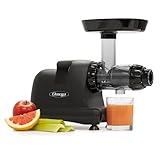
For are cold press juicer parts dishwasher-safe? check the exact part, compare Ninja NeverClog JC151 and Omega All-in-One only after the ingredient, working-space, and cleanup requirements pass. The better choice is the model whose documented tradeoff fits the routine you will actually repeat.