Compare six exact electric, single-auger, twin-gear, and motor-free juicers by model-specific sound language, documented rotational speed, ingredient fit, vibration path, run time, and cleanup—without inventing decibel rankings.
Noise-conscious households that want honest model evidence and a complete prepare-to-clean workflow rather than a low-RPM shortcut.
Choose a juicer that matches the repeat ingredients first, then compare exact sound evidence, operating pace, stable placement, session duration, and cleanup for apartments, shared spaces, or early mornings.
Curated recommendations
Our quiet juicers shortlist
6 matched picks
As an Amazon Associate, we may earn from qualifying purchases.
This collection does not assign invented decibel scores or repeat a generic claim across a brand. It groups six existing verified products with distinct evidence: one exact low-speed electric model with clearly documented controls and dimensions, one manual press requiring no electricity or batteries, two documented 80-RPM horizontal single-auger products, a 110-RPM Greenstar Elite, and a Greenstar 5 whose specification table lists 120 RPM at 60 Hz and 100 RPM at 50 Hz.
None of the selected electric sources makes a current exact quiet claim. The speed figures for Ninja, Omega, and Tribest describe their mechanisms, and the Zulay construction establishes a motor-free path. Those facts help create a workflow shortlist while preserving what remains unknown. A product is included because its exact evidence and routine support a noise-conscious comparison—not because low speed automatically means low sound.
Sound has more than one source
A juicer session includes motor or gear tone, ingredient impacts, component fit, container contact, countertop vibration, duration, and cleanup. Firm roots or irregular apple pieces can knock when first gripped. A pulp container touching the housing can rattle. A rigid counter and cabinet may carry vibration into another room.
The perceived result also changes with pitch, distance, walls, and time of day. That is why a single unmatched number or the word slow cannot settle the purchase. Map the actual recipe and station, then compare the complete prepare-to-clean routine in the apartment, shared home, or early-morning kitchen where the product will operate.
Choose the ingredient boundary first
Zulay is the narrowest and clearest motor-free choice: prepared citrus and any other fruit the exact press guidance permits. It is not a replacement for an auger when celery, greens, carrots, or mixed vegetables define the routine. Omega MM1500BL is the celery specialist; Omega All-in-One is a broader horizontal nutrition-system path; Ninja JC151 is the approachable mixed-produce cold press starting point.
Greenstar Elite and Greenstar 5 belong when true twin-gear handling for greens, wheatgrass, celery, roots, and mixed produce matters enough to justify additional assembly and cleaning. Eliminate any model that misses the primary ingredients before comparing sound. Forcing the wrong machine can create longer runs, repeated reversing, unsafe pressure, and more disruption.
Understand model-specific RPM and motor-free operation
Omega's 80-RPM augers, the 110-RPM Greenstar Elite, and the U.S. 120-RPM Greenstar 5 all rotate deliberately compared with a high-speed centrifugal basket. That tells a shopper about mechanism and feeding pace. It does not reveal acoustic pressure, pitch, vibration, housing design, or the duration of a normal batch. One RPM figure cannot establish which machine sounds quieter.
Zulay requires no electricity or batteries, removing motor sound but not lever, fruit, frame, vessel, or cleanup noise. Ninja's current JC151 page documents a low-speed auger but no exact quiet claim. Keep these evidence types separate to avoid turning a useful specification into a claim it cannot support.
Exact sound statement: none published for these electric models
RPM: mechanism and pace, not a sound measurement
Motor-free: no motor sound, with a narrow ingredient boundary
No comparable decibel test: no universal acoustic winner
Single auger or twin gear
A single-auger machine has one primary rotating press component and a screen. The Ninja and both Omega products offer different orientations and purposes within this broad family. Their controlled feed paths can suit noise-sensitive use, but model construction, produce, loading, counter, and session length remain decisive.
A Greenstar uses two interlocking gears plus model-specific screens, housings, pressure components, and locks. That specialization can serve greens and wheatgrass well, yet it creates more parts to assemble and wash. Choose it for the twin-gear ingredient workflow, then decide whether its complete setup and cleaning routine fits the sensitive time window. Mechanism is a tradeoff map, not an acoustic guarantee.
Placement and feeding are part of the purchase
Measure the complete operating station: body, feed path, handle or pusher movement, juice and pulp vessels, cord, lid clearance, cutting board, sink path, and drying area. Use the stable, level, dry surface required by the manual. Remove nearby objects that could buzz and keep vessels aligned without touching the housing.
Prepare consistent model-approved pieces and feed without force. Dense or irregular produce can create sharper impacts; long fibers can wrap if preparation is ignored. Do not place the appliance on an improvised towel or foam layer if it could block airflow, retain liquid, or reduce stability. The safest correct setup is also the best starting point for controlling avoidable vibration.
Run time can reverse the obvious choice
A slow auger may have a controlled mechanical character but remain on longer for a batch. A centrifugal basket can sound different and operate quickly for firm produce. A manual press avoids a motor yet requires repeated handle movements. Compare the number of servings, preparation, active feed time, container swaps, operating limits, and cleanup rather than the moment the switch is on.
If fast apple-and-carrot batches are the priority and the machine runs at a considerate time, the Centrifugal Juicers hub may be a better fit. If greens, celery, a controlled feed path, or early use leads, this collection is the better start. A shorter complete session can be more practical than a theoretically calmer machine used twice as long.
Cleanup can be the loudest stage
Screens, gears, augers, bowls, strainers, and containers need prompt model-approved cleaning. A broad hopper can save active preparation while adding sink volume. A twin-gear system adds pieces. A manual cast-iron press concentrates the wet work around the cone, cup, and strainer but should not be handled roughly on a hard counter.
Plan the brush, pulp receptacle, drying area, and safe disassembly before starting. Place parts gently, keep the base dry, and inspect food-contact surfaces before residue dries. Dishwasher guidance is exact-model and exact-part information; quiet inclusion does not imply dishwasher permission. Choose the machine whose required cleanup can be completed safely at the time it will actually be used.
How to use the supporting guides
Start with Best Quiet Juicers for the six-model commercial shortlist and the evidence behind each position. Use the apartment and early-morning guide to plan preparation, counter placement, feeding, timing, abnormal-sound response, and cleanup in a shared space. Use the motor-and-speed guide to understand why RPM, wattage, and mechanism cannot substitute for sound testing.
Then open the exact product review, its parent mechanism collection, and the Juicer Finder. The finder keeps recommendations curated around ingredients, frequency, priorities, space, and budget; this broader collection offers additional verified pathways without forcing every product into the interactive shortlist. Confirm the exact model and current Amazon terms before purchasing.
A final evidence check before buying
Verify the exact model number, manufacturer documentation, included pieces, intended ingredients, working dimensions, surface requirements, operating limits, seller, current availability, current price, and return terms. Do not transfer Ninja's sound wording to another Ninja, an Omega speed to another Omega, or Greenstar specifications across variants without exact documentation.
Treat missing acoustic data as missing. A phone reading in one kitchen is not a certified cross-product result, and an unsupported superlative does not become accurate through repetition. The best choice is the one with evidence appropriate to its claim, a mechanism suited to the repeat recipe, and a complete routine the household can sustain.
Choose a model pathway
Quiet Juicers separates the shortlist into 4 practical routes: most approachable documented electric path, controlled 80-rpm horizontal paths, specialist twin gears, motor-free citrus. Start with the route that matches the dominant routine, then read its exact model review before opening the retailer listing.
Most approachable documented electric path
Ninja documents the exact JC151 low-speed auger, controls, filters, and dimensions. Choose it for approachable mixed-produce cold pressing while recognizing that no exact quiet claim or comparable laboratory decibel figure is published.
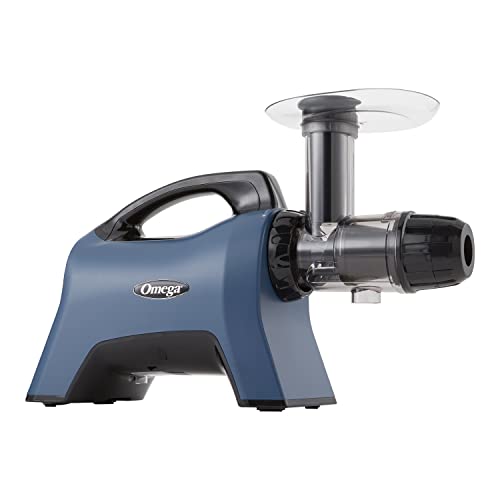
Choose All-in-One for broader horizontal versatility or MM1500BL for a celery-centered routine. Their verified 80-RPM speed describes mechanism and pace, not measured loudness.
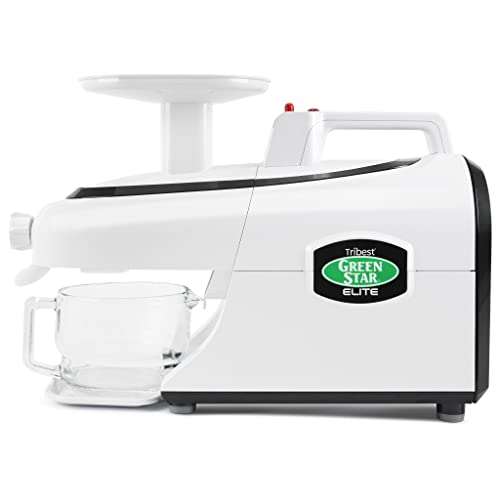
Choose a Greenstar when twin-gear produce handling earns the additional assembly, counter length, and cleanup. The Elite's 110 RPM and the U.S. GS5 specification table's 120 RPM are not decibel ratings.
Ninja JC151 is the most approachable documented electric starting point; Zulay is the motor-free press-compatible fruit specialist; the 80-RPM Omegas offer controlled horizontal single-auger paths; and the model-specific Greenstar speeds serve committed twin-gear routines. No electric product here carries a current exact quiet claim, and no comparable decibel test supports a universal winner. Choose the correct ingredient mechanism, then compare placement, feeding, duration, and cleanup.
Use the Juicer Finder to test the ingredient, routine, space, and budget decision before purchasing.
Frequently asked questions
Which electric juicer is the first workflow comparison?
Ninja JC151 because its low-speed auger, controls, filters, and dimensions are clearly documented. This is not an exact quiet claim or a standardized decibel result.
Does a lower RPM prove a juicer is quieter?
No. RPM reports rotational speed, not sound pressure, pitch, vibration, load, or run duration.
Is the Zulay press the quietest?
It is the only motor-free product in this set, but no comparable total-session acoustic test supports a universal superlative. It also serves a much narrower press-compatible fruit routine.
Why are Greenstar models included?
They provide documented twin-gear pathways for shoppers whose greens, wheatgrass, celery, and root routines justify the specialized mechanism. Inclusion is not an unmeasured quiet claim.
Can counter placement reduce vibration?
Correct stable, level placement and removal of rattling nearby objects can reduce avoidable vibration. Do not use improvised padding that conflicts with stability, ventilation, or the manual.
Does this collection show current prices?
No. Amazon prices, sellers, configurations, and availability can change. Use the exact linked listing to verify current terms.