Apartment sound is a room-and-routine problem
In a detached kitchen, a brief appliance sound may disappear into distance. In an apartment, a shared wall, open floor plan, hard counter, lightweight cabinet, or sleeping room can make the same session more noticeable. Sound may travel through the air or through the countertop and cabinet structure. That is why choosing a machine by motor label alone can disappoint even when the product is correctly described.
Map the routine from the nearest bedroom, office, or neighbor-facing wall. Note the counter surface, cabinet below, adjacent objects, and usual start time. Then count preparation, extraction, container swaps, screen rinsing, and dishes. The goal is not to promise an inaudible kitchen. It is to remove avoidable impacts and choose a mechanism whose full operating pattern is reasonable for the space.
Choose the recipe before the appliance
A citrus-only morning can use a manual lever press and avoid an electric motor. A celery-led routine needs an auger or another exactly documented capable mechanism. Mixed greens, roots, apples, and cucumber ask for a broader cold press. If the machine cannot process the repeat ingredients well, the household may compensate with harder pushing, longer runs, repeated reversing, or multiple batches—all poor outcomes for a calm routine.
Write one weekday recipe with realistic serving size. Identify pits, peels, long fibers, dense roots, and pieces that need cutting. Select the juicer mechanism for those ingredients first. Only then compare sound evidence and workflow. This keeps a motor-free citrus specialist from being recommended for vegetables and keeps a noise preference from overriding basic product fit.
Four sensible shared-space starting points
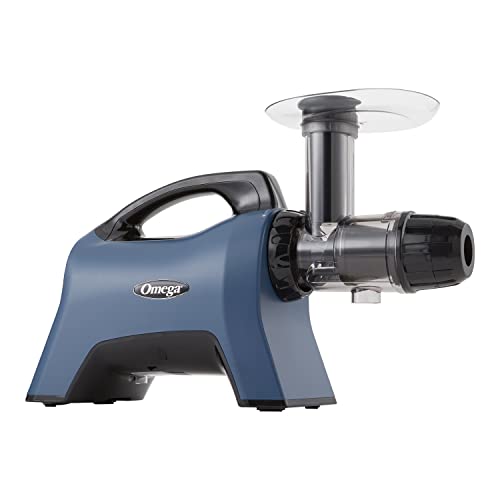
Ninja JC151 is the first electric path because Ninja documents a low-speed auger, simple controls, reverse, two pulp filters, and a compact body for the exact model. Omega All-in-One offers a controlled horizontal 80-RPM mixed-produce routine, while Omega MM1500BL uses a similar documented speed with dedicated celery and standard produce end caps. Zulay's cast-iron press eliminates motor sound but stays inside a much narrower ingredient boundary.
These four models do not form a measured decibel ranking, and none of the electric sources makes a current exact quiet claim. Ninja supplies clear low-speed workflow data; the Omega speeds explain pace and mechanism; Zulay's lack of electricity explains the missing motor. If the weekly basket includes specialized twin-gear ingredients, visit the Quiet Juicers hub for Greenstar options, but accept that more assembly and cleanup may be inconvenient at a sensitive hour.
Prepare the noisy work at a considerate time
Washing produce, moving cutting boards, opening drawers, trimming dense roots, and setting out glassware can be more disruptive than a steady motor. When practical, wash and prepare ingredients earlier, using current food-safety guidance for storage and the exact machine instructions for size, pits, peel, and fibers. Keep prepared produce cold when required and do not leave cut items at room temperature merely to save morning steps.
Stage the approved brush, pulp container, juice vessel, lid, and drying area before bed only if every item remains clean, dry, and safely stored. Keep blades and small parts secured. In the morning, the workflow should require deliberate placement rather than rummaging through stacked cupboards. Preparation shifts avoidable clatter; it should never create a food-safety shortcut or encourage loading ingredients the manual excludes.
Place the juicer without creating a vibration amplifier
Use the stable, level, dry surface specified by the manual. Keep the juicer away from a counter edge and give the air openings, cord, lids, handles, pulp container, and juice vessel their required clearance. Remove loose objects that can buzz against the housing. Make sure no vessel touches a moving or vibrating part, and check that the machine's feet and the counter are free of pulp, water, or debris.
Do not place a powered juicer on a towel, foam, folded mat, or improvised isolation pad when that could reduce stability, block airflow, retain liquid, or conflict with the instructions. A safe station comes before sound control. If the counter or cabinet resonates, an approved alternative counter location may help more than an accessory. For Zulay, confirm the base and full lever arc stay stable through controlled pressure.
Use consistent pieces and patient feeding
Large irregular chunks can tumble or knock. Dense carrot, beet, apple, ginger, and turmeric pieces can make brief impacts when an auger first grips them. Long celery fibers can wrap or collect if the model's preparation guidance is ignored. Cut to the exact instructions, feed manageable portions, and let the sound and flow return to normal before adding more. Do not force the pusher.
A controlled pace may run slightly longer, but it reduces stalls, abrupt strain, repeated reverse cycles, and unsafe intervention. Watch both juice and pulp outlets. If flow stops, the machine changes sound, or repeated reversing becomes necessary, stop safely and consult the troubleshooting and model documentation. An early hour is never a reason to rush disassembly or reach into a powered feed path.
Shorten the session without overloading
A larger batch can reduce the number of separate mornings the machine runs, but it also requires more produce, container capacity, pulp management, and cleaning. A tiny serving can be quick to extract but inefficient once every wet part is washed. Choose a batch that fits the household, current food-storage guidance, the exact machine capacity, and its operating or rest limits.
Do not infer continuous-duty performance from motor wattage, a heavy body, or commercial styling. Keep the pulp exit clear, swap vessels before they overflow, and stop at the limits in the manual. The right session length is the shortest safe complete routine that produces the amount actually used. A machine running calmly beyond its documented limits is not a better neighbor or a better appliance decision.
Treat hard-produce days differently
A cucumber-and-leaf recipe and a carrot-beet recipe do not create the same sound. Dense produce can cause sharper impacts and more motor loading. If the household schedule allows, reserve root-heavy batches for a less sensitive time and use softer compatible ingredients or a previously planned recipe early. That is a workflow choice, not a claim that one ingredient is always quieter in every machine.
If hard produce is the main reason for owning a juicer and speed matters more than sound, a centrifugal model may still be the honest choice. Visit the centrifugal collection and compare the shorter, faster operating pattern with the controlled auger path. Avoid buying a slow machine solely for noise when it makes the primary recipe frustrating enough to lengthen every session.
Make cleanup quiet and immediate
Prompt rinsing helps prevent pulp from drying, but dishes dropped into a hard sink can be the loudest part of the routine. Stabilize containers, remove bulk pulp into the intended receptacle, and place parts down individually. Use the supplied or approved brush and the exact washing method. Keep the powered base dry, and never treat removable as proof that a part belongs in a dishwasher.
A simple early-morning plan is to complete the necessary safe rinse and screen clearing immediately, then perform any model-permitted less-urgent steps at a considerate time—only if the manual and hygiene needs allow it. Do not leave wet pulp trapped in mesh or sealed channels. Choose a machine whose complete required cleanup fits the hour, rather than counting only the motor's operating minutes.
Recognize sounds that require stopping
A familiar steady operating sound is different from new scraping, grinding, repeated clacking, severe vibration, electrical buzzing, an unusual odor, leaking near the base, or repeated stalls. Turn the machine off, wait for moving parts to stop, unplug as directed, and follow the manual. Do not keep running it to decide whether the sound will disappear.
Check only the components the user instructions allow: correct assembly, containers, caps, screens, augers, gears, seals, and visible ingredient blockage. Never open a motor housing or improvise a repair. A new abnormal sound is not an apartment-etiquette problem; it is an operating and support issue. Contact the manufacturer when the documented checks do not restore normal behavior.
A one-week low-noise kitchen test
On the first day, practice dry assembly and measure the complete station. On the second, make the smallest normal recipe at a non-sensitive hour and note preparation, run, and cleanup time. On the third, remove nearby objects and verify vessel clearance. On later sessions, keep ingredients, piece size, batch, and placement consistent so one change can be evaluated at a time.
Ask household members about timing and room location, not only whether the machine seemed loud beside the counter. Avoid presenting a phone reading as certified product data; rooms and measurement methods vary. If the routine remains disruptive, change the time, batch plan, recipe, or authorized return decision rather than inventing modifications beneath or inside the machine.
Final apartment and early-morning workflow
Start with Ninja JC151 for the most approachable documented low-speed electric workflow, Omega All-in-One for controlled mixed-produce horizontal feeding, Omega MM1500BL for celery-centered use, or Zulay for a completely motor-free press-compatible fruit routine. Confirm the ingredient fit and operating dimensions before sound preferences. None carries a comparable published decibel result or current exact electric quiet claim that makes it a guaranteed apartment winner.
Prepare safely in advance, use a stable level station, remove rattling neighbors, align vessels, cut consistent pieces, feed without force, and organize a prompt gentle cleanup. Schedule hard-produce or larger batches when household conditions permit. The most considerate setup is a complete repeatable routine—not a product label detached from the room, recipe, and people who share it.
Sources and further reading
Models relevant to this decision
As an Amazon Associate, we may earn from qualifying purchases.



Frequently asked questions
What juicer should I start with for an apartment?
For mixed produce, Ninja JC151 is the most approachable documented low-speed starting point here. It has no exact current manufacturer quiet claim, so placement, recipe, timing, and cleanup remain decisive.
Can I put a towel under a juicer to reduce vibration?
Do not use an improvised layer if it can reduce stability, block ventilation, retain liquid, or conflict with the manual. Use the required stable level surface and remove rattling objects first.
Is a manual press completely sound-free?
No. It has no motor, but its linkage, fruit, strainer, vessel, frame, and cleanup can still create sound.
Should I prepare produce the night before?
Only when it can be done within current food-safety guidance and the prepared produce can be stored appropriately. Advance prep must not override the juicer's ingredient instructions.
Do hard ingredients sound different?
Dense or irregular pieces can create sharper impacts and load changes. Follow the exact cutting guidance, use manageable pieces, and feed patiently.
What if the juicer suddenly sounds different?
Stop, wait for all movement to end, unplug as directed, and follow the model's troubleshooting steps. Do not continue through grinding, scraping, severe vibration, leaking, odor, or repeated stalls.
Final verdict
For best juicers for apartments and early mornings: a low-noise workflow, compare Ninja NeverClog JC151 and Omega All-in-One only after the ingredient, working-space, and cleanup requirements pass. The better choice is the model whose documented tradeoff fits the routine you will actually repeat.