Compare exact centrifugal, single-auger, and twin-gear juicers for beets by firm-produce speed, mixed-recipe control, preparation, screen or basket cleanup, staining, and model identity.
Know before you buy: Professional naming and construction do not by themselves establish restaurant certification or suitability for every commercial setting.
Beets combine dense feeding with strong pigment and a serving size that is often smaller than the rest of the recipe. Compare root preparation, pulp movement, retained liquid, staining cleanup, and whether beet is the main volume or one supporting ingredient.
A fast basket and a slow auger solve different versions of the job. Centrifugal baskets favor fast beet-led recipes with other firm produce. Slow augers favor deliberate mixed recipes, smaller dense-root portions, and fibrous supporting ingredients. Compare the complete path from washed produce to dry parts rather than assuming one mechanism is universally superior.
Prepare and feed without force
Rinse produce under running water, scrub firm surfaces with a clean produce brush when appropriate, remove damaged material, and cut only as the exact manual directs. A wide opening does not make every root or irregular piece appropriate for whole feeding.
Use the supplied pusher, add manageable pieces, and watch both juice and pulp movement. Stop when flow changes. Never use another hard ingredient to ram a blockage; follow the model's documented reverse or shutdown procedure.
Make cleanup part of the comparison
Root fibers and pigments can collect in baskets, screens, auger grooves, gear teeth, seals, outlets, bowls, and pressure components. Rinse and brush approved parts promptly, keep the motor base dry, and let components dry fully before reassembly.
Dishwasher guidance is model- and part-specific. Removable does not mean dishwasher-safe. Turmeric and beet can discolor some surfaces, so use only care methods approved for the exact material and component.
Verify the current listing
Every recommendation links to an internal model review and an exact Amazon destination using JuicerPress's verified tracking tag. Confirm the model number, configuration, screens, accessories, voltage, seller, condition, current availability, price, return terms, and manufacturer manual before purchase.
JuicerPress does not display static prices, invent ratings, claim firsthand testing, or promise a health outcome. Product capability and transaction details can change; the live exact listing and current manual complete the decision.
Choose a model pathway
Juicers for Beets separates the shortlist into 4 practical routes: fast beet and carrot recipes, larger firm-produce batches, controlled mixed roots, twin-gear root specialists. Start with the route that matches the dominant routine, then read its exact model review before opening the retailer listing.
Fast beet and carrot recipes
Centrifugal routes for quick firm-produce servings with immediate basket cleaning.
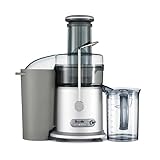
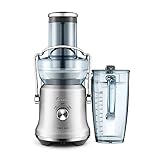
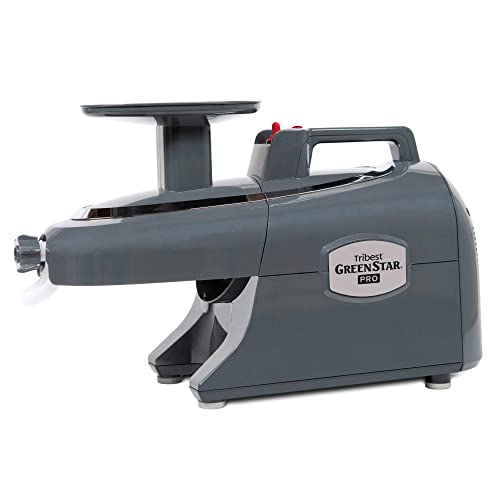
Choose Breville Plus or Hamilton Beach for fast everyday beet recipes, Compact for a smaller station, or Cold Plus for real batch volume. Choose Ninja or Omega for deliberate mixed roots and greens, and Greenstar Pro or 5 only when frequent specialist use justifies twin-gear cleaning. Preparation, pigment cleanup, and recipe ratio decide the best fit.
Use the Juicer Finder to test the ingredient, routine, space, and budget decision before purchasing.
Frequently asked questions
What juicer type is best for beets?
Centrifugal is practical for fast firm-produce batches; slow auger is stronger for mixed roots, greens, and smaller deliberate recipes.
Should beets be peeled?
Wash thoroughly, remove damaged areas, and peel according to condition, recipe preference, and exact model guidance.
Can beets stain juicer parts?
Beet pigment can discolor some surfaces. Rinse promptly and use only model-approved cleaning methods.
Does beet juice guarantee a health result?
No. JuicerPress compares appliances and does not promise treatment, prevention, detoxification, or another outcome.