Start with sound roots and a clean workstation
Choose roots without visible rot, mold, or extensive damage. Soil can collect around knobs and creases, so inspect every piece under good light. Wash hands with soap and warm water for at least 20 seconds, clean the knife and board, and prepare approved juicer parts and a clean collection vessel. Keep produce separated from raw meat, poultry, seafood, eggs, and their juices.
FDA guidance recommends rinsing produce thoroughly under running water and using a clean produce brush for firm produce when appropriate. Do not use soap, detergent, or commercial produce wash. Washing can reduce surface bacteria but does not sterilize the root, and a juicer cannot make spoiled produce safe.
Peeling is not a universal machine requirement
Whether to peel ginger or turmeric depends on produce condition, recipe preference, desired appearance, and exact model guidance. A thoroughly washed sound surface may be used in some recipes, while tough, damaged, dried, or unwanted skin may be trimmed away. Do not turn a culinary preference into a safety promise or a rule for every machine.
Wash before peeling or cutting so the knife does not carry surface material inward. Remove damaged portions, dry ends, loose soil, stickers, and non-food material. Use a stable board because knobby roots can roll. Cut away from the supporting hand and prepare only the amount intended for the batch.
Cut to the feed path, not an internet cube size
Dense irregular pieces can wedge in a chute even when their largest dimension seems small enough. A horizontal auger, vertical auger, twin-gear gap, and centrifugal basket load produce differently. Read the exact manual for ingredient approval, maximum piece size, trimming, hopper fill, pressure setting, pusher use, and operating limits.
Make pieces that enter without hard pressure and present a manageable surface to the mechanism. Do not copy a universal measurement from another brand or force a root because it nearly fits. Stage several modest pieces rather than improvising cuts beside a running machine.
Choose a sequence for the actual recipe
A ginger-turmeric shot may include lemon, orange, apple, cucumber, carrot, or another supported ingredient for flavor and moisture. Separate the ingredients before power-on so the root amount remains intentional. Use model-approved peel, pit, seed, and rind preparation for every supporting ingredient. The juicer's large opening does not override those instructions.
Alternate textures only while juice and pulp continue moving normally. A compatible higher-moisture ingredient may help carry residual root material through a mixed batch, but it is not a ram. If the machine stops flowing, adding more produce can tighten the obstruction and complicate safe disassembly.
Feed in small increments and watch both outlets
Start the machine according to the manual, then add one manageable root piece or small portion. Let the mechanism grip and move it before adding another. Use only the supplied pusher as directed; never insert fingers, knives, spoons, brushes, or other improvised tools into a powered feed opening.
Watch the juice outlet, pulp outlet, chamber, and motor behavior. Stop feeding if pulp pauses, juice changes sharply, material rises, the motor note becomes abnormal, or the unit stalls. Leaking, grinding, smoke, electrical odor, persistent heat, a damaged cord, or broken part requires immediate shutdown and inspection.
Use reverse only when the exact manual allows it
Some slow juicers provide a brief reverse procedure for ordinary bridging or a stuck auger. The sequence, duration, and number of attempts are model-specific. Reverse is not a universal reset and should not be held indefinitely. Centrifugal machines use a different mechanism and may require a complete power-off and basket inspection rather than any reverse step.
If the documented response does not restore normal movement, switch off, unplug, wait for all movement to stop, and disassemble only as instructed. Do not reach around a cutting disc or force locked components. Repeated jams usually indicate piece size, feed pace, assembly, pressure, screen condition, or ingredient mismatch that must be corrected before continuing.
Recover a small serving without chasing every drop
A little liquid may remain in a bowl, screen, auger housing, cap, outlet, or collection path. Follow the model's finishing procedure rather than tilting a powered base, adding unplanned water, or running the machine empty beyond its instructions. Record retained volume when comparing models because it matters more for a small shot than for a large pitcher.
Do not judge extraction from one pulp squeeze. Root age, dryness, piece size, pressure, screen, feed pace, supporting ingredients, and suspended pulp change apparent yield. For a fair test, weigh equal prepared roots, record other ingredients separately, use the same vessel, and repeat ordinary sessions.
Control turmeric and beet-like pigments promptly
Turmeric can color light boards, cloths, seals, containers, plastic housings, and other porous surfaces. Protect the counter, use washable tools, and rinse approved parts promptly. Avoid clothing or towels that must remain unstained. Cosmetic discoloration can occur even when the part is clean, so follow the manufacturer's care method rather than escalating automatically to harsh chemicals.
Do not use an unapproved abrasive, solvent, bleach solution, essential oil, boiling water, or dishwasher cycle. Those methods can damage seals, coatings, plastic, mesh, or fit. If residue or odor remains after the documented cleaning procedure, consult the current manual or manufacturer support.
Clean the entire root-pulp path
Switch off and unplug as directed. Remove parts in the stated order, discard loose pulp, rinse approved components, and brush accessible mesh from permitted directions. Inspect auger grooves, gear teeth, pressure caps, seals, pulp outlets, bowls, containers, and housing channels. Let every part dry fully before reassembly or storage.
Dishwasher-safe is an exact-part claim, not a family assumption. Removable does not mean dishwasher-safe, and a motor base or cord must never be submerged. Store the brush and small seals where they will not be lost, because a missing or incorrectly seated component can change flow or cause leaking at the next session.
Handle the finished shot as food, not medicine
Fresh household juice is generally unpasteurized and may carry microorganisms from produce, hands, tools, or equipment. Use a clean covered vessel and refrigerate promptly when not consuming immediately. Do not rely on juicer speed, acidity, ginger, turmeric, or a retailer claim to sterilize the serving or guarantee a storage period.
JuicerPress does not prescribe a dose or promise relief, detoxification, disease prevention, immunity, or another medical outcome. Concentrated ingredients may not suit everyone. People with medication, medical, pregnancy, immune-system, or individual dietary concerns should seek qualified guidance rather than using a juicer recommendation as health advice.
Create a repeatable root-prep station
Keep the process predictable by assigning a clean area for uncut roots, a stable board for trimming, a container for prepared pieces, and a separate place for waste. Arrange the juicer so the juice vessel and pulp container are visible and removable without reaching across the feed opening. Keep the approved pusher and cleaning brush nearby before the motor starts.
This layout reduces rushed cutting and makes a change in flow easier to notice. It also keeps turmeric pigment and ginger fibers from spreading across unrelated surfaces. After the session, move food-contact parts directly to the sink, wipe the preparation zone with the appropriate cleaning method, launder soiled cloths, and let every approved part dry in a clean location before reassembly.
Final ginger and turmeric workflow
Clean the station, inspect and rinse sound roots, scrub when appropriate, trim damaged material, cut model-approved pieces on a stable board, stage supporting ingredients, assemble the exact screen and pressure path, feed slowly, monitor both outputs, stop at a change in flow, recover the serving as documented, and rinse stain-prone parts before residue dries.
If that process feels excessive for one small serving, compare a compact slow juicer or a model with less retained volume rather than buying a larger machine. Technique cannot fix an incompatible feed path or an unacceptable cleanup routine. The best result is a controlled serving from a safe process the household can repeat.
Sources and further reading
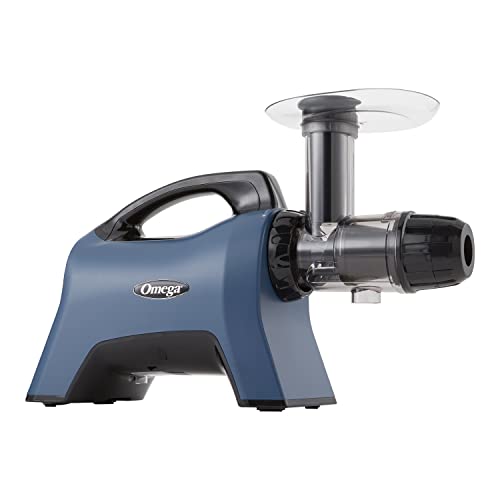
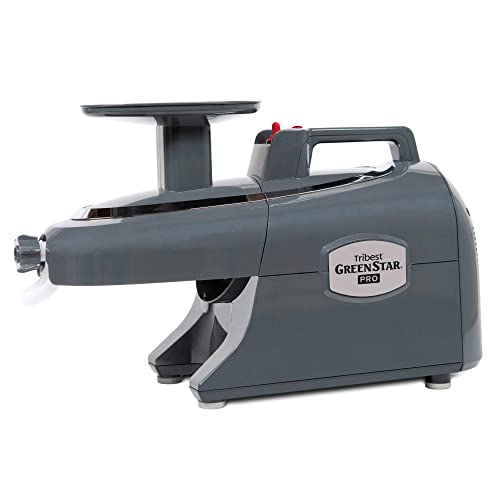
Models relevant to this decision
As an Amazon Associate, we may earn from qualifying purchases.



Frequently asked questions
Do ginger and turmeric need to be peeled before juicing?
Not universally. Wash sound roots thoroughly, remove damaged material, and peel according to recipe preference and exact model guidance.
How small should I cut ginger or turmeric?
Use the exact manual. Root shape, density, chute, auger, gears, basket, and pressure path differ, so one universal cube size is unreliable.
Can I push a stuck root with a carrot?
No. Stop feeding and follow the documented reverse or shutdown procedure. More produce can tighten an obstruction.
How do I prevent turmeric stains?
Protect the work area and rinse approved parts promptly. Use only model-approved cleaning methods because abrasives, chemicals, and heat can damage components.
How long does homemade ginger-turmeric juice last?
JuicerPress does not publish a universal storage time. Handle it as perishable unpasteurized juice and follow public-health guidance; discard it when safety is uncertain.
How much should I drink?
That is an individual dietary or medical question. JuicerPress compares appliance workflow and does not prescribe a dose.
Final verdict
Use the preparation and feeding sequence above for juice ginger and turmeric without forcing the machine, but let the exact model manual override any general technique. Choose another mechanism if the normal routine repeatedly requires force, unsafe workarounds, or impractical cleanup.