Define worth before comparing machines
Worth is the relationship between a machine's useful advantage and the effort required to own it. For one household, a large hopper may remove the chopping that prevents weekday juicing. For another, a horizontal auger may make greens and celery easier to control. A dedicated citrus press may outperform both when the routine never includes mixed produce.
Set the decision window around ordinary use, not a special demonstration. Record the ingredients and servings for several realistic sessions, the maximum preparation and cleanup time, the available station, and any physical-effort needs. A premium feature counts only when it changes one of those repeated sessions in a useful, documented way.
Find the bottleneck first
Break the session into washing, trimming, cutting, loading, active feeding, extraction, pulp handling, pouring, disassembly, washing, drying, and storage. Mark the stage that most often delays or cancels the routine. This turns a vague desire for a better juicer into a specific problem that a hopper, feed path, basket, assisted arm, or lever might solve.
Do not average away a hard failure. A model that cannot fit the counter, safely clear the cabinet, handle the primary ingredient, or meet the cleanup limit is unsuitable even if it excels elsewhere. Reject it before comparing accessories or styling. Premium shopping becomes much simpler once non-negotiables and the single biggest bottleneck are visible.
Translate features into saved work
A wide batch hopper has value when compatible produce can be staged with less repeated cutting and pushing. A dedicated celery end cap has value when celery is frequent enough to justify switching and cleaning it. Multi-purpose attachments have value only when those foods will be made. Twin gears have value only when the user wants the mechanism and accepts its assembly and brushing routine.
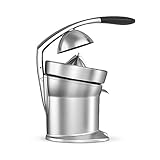
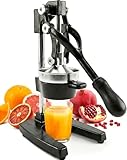
For fast firm produce, a broad centrifugal chute and large jug can reduce staging and vessel changes. For citrus, a powered press arm may reduce repeated hand effort, while a long manual lever provides motor-free control. If a feature cannot be connected to a named ingredient, serving count, task, or accessibility need, remove it from the value case.
Compare mechanism tradeoffs honestly
Single-auger cold presses favor controlled extraction but differ sharply between horizontal, compact vertical, and large-hopper designs. Twin-gear machines add matched gears, pressure choices, and more detailed assembly. Centrifugal machines prioritize speed with compatible firm produce and require basket cleaning. Electric and manual citrus presses remain specialists. None wins every ingredient or kitchen.
Avoid using RPM, wattage, weight, or price as a quality score. Those numbers can describe one part of a design without proving yield, quietness, durability, nutrition, or ease of cleaning. Follow the ingredient through the entire machine and inspect the exact parts that must be handled. The correct mechanism creates more value than a longer list of secondary specifications.
Price preparation and active attention
Preparation is a recurring ownership cost even when no dollar amount appears. Narrower feeds may ask for more consistent pieces and active pacing. Large hoppers can reduce some repetitive work but still require washing, inspection, pit removal, rind decisions, and fiber preparation. Firm produce, greens, celery, roots, berries, and citrus each create different work before extraction.
Time one representative recipe with the current method or walk it through on paper. Estimate cuts, pitting, peeling, bundle preparation, and container changes. Then ask whether the premium model removes the slowest step or simply moves effort from the cutting board to a larger bowl. Count only the work the exact model can defensibly save.
Price cleanup and parts care
List every food-contact component: hopper or chute, auger or basket, screen, gears, pressure parts, pulp outlet, seals, caps, juice vessel, pulp container, cones, domes, strainers, or press cups. Check whether both sides of separation surfaces are reachable, whether channels are visible, and whether the wet pieces fit the sink and drying area.
Dishwasher permission is exact-model and exact-part specific. Removable does not mean dishwasher-safe, and the powered base must stay dry. A premium system with prompt, understandable care can be worthwhile; one that exceeds the household's cleanup limit will not be used enough to justify its capability. Verify the current manual rather than transferring instructions from a sibling model.
Price the workstation
Measure stored width, depth, and height, then measure the operating state. Include lid swing, hopper access, pusher travel, lever arc, juice and pulp vessels, cutting board, safe cord route, disassembly, the path to the sink, and open drying space. Horizontal augers need length, large hoppers need upper clearance, and heavy presses benefit from a permanent stable position.
Accessibility changes value. A heavy machine that must be lifted from a low cabinet may be less useful than a lighter, simpler system left assembled. A permanent station can make a substantial press practical, but only when it does not displace required prep space. Treat the whole workstation as part of the purchase rather than free space outside the product dimensions.
Check exact-model support and transaction terms
Match the exact model name, ASIN, variant, voltage, condition, seller, included pieces, and manual. Similar names can hide different screens, lids, cups, gears, finishes, or revisions. Confirm that replacement parts and current instructions exist for the model under consideration, especially for established or legacy families. Never borrow a claim from a related machine.
At purchase time, verify availability, current price, shipping, returns, restocking, and warranty with Amazon, the seller, and the manufacturer. JuicerPress does not sell, ship, warrant, refund, or process returns. Save the transaction record and exact manual. A premium price does not compensate for unclear configuration, support, or terms.
Use a thirty-session ownership worksheet
Estimate thirty ordinary sessions. For each finalist, record preparation minutes, active attention, number of pauses, cleanup steps, drying footprint, storage effort, and the specific advantage used. Do not invent yield or durability scores. The worksheet asks whether the premium feature will be exercised often enough to matter, not whether it can be assigned a universal payback number.
Compare the premium candidate with the simplest verified model that passes every non-negotiable. If the upgrade repeatedly removes the marked bottleneck and stays within the cleanup and space limits, it has a strong ownership case. If the advantage appears only in rare recipes, wait. Current price should be compared only after the operational case survives.
Final worth-it decision
A premium juicer is worth it when the exact mechanism solves a repeated problem: lower-prep batches, dedicated celery handling, genuinely used versatility, twin-gear specialization, faster firm-produce throughput, assisted citrus pressing, or a stable motor-free station. It is not worth it when appearance, an unused attachment, a temporary badge, or a higher price is doing the persuasive work.
Choose with a pass-or-fail scorecard for ingredients, servings, preparation, cleanup, station fit, effort, documentation, support, exact configuration, and current terms. Then use the Juicer Finder and model review to challenge the shortlist. Price alone does not prove quality; a defensible upgrade is one the household can explain in a single workflow sentence.
Add an exit condition before shopping. If the exact model, parts, dimensions, care instructions, seller, or support path cannot be verified, pause. If the current offer creates urgency but the workflow case is still vague, pause. A premium purchase should become easier to explain as evidence accumulates. When the decision instead depends on assumptions, a borrowed specification, or a hope that greater cost will create better habits, the simpler verified option is the safer conclusion.
Revisit the worksheet after a normal week. Ingredient plans, serving counts, available counter space, and willingness to clean are easier to judge beside an actual routine than beside a product page. That short pause also gives the household time to check whether a dedicated specialist or an all-purpose system is the honest fit. The goal is not the most machine; it is the least friction for the work that will recur.
Sources and further reading
For product operation, food handling, and other factual claims, we use primary manufacturer, public-health, and clinical guidance as appropriate.
Recommended starting points
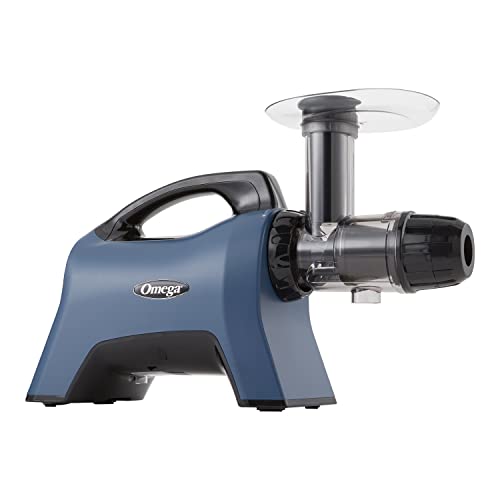
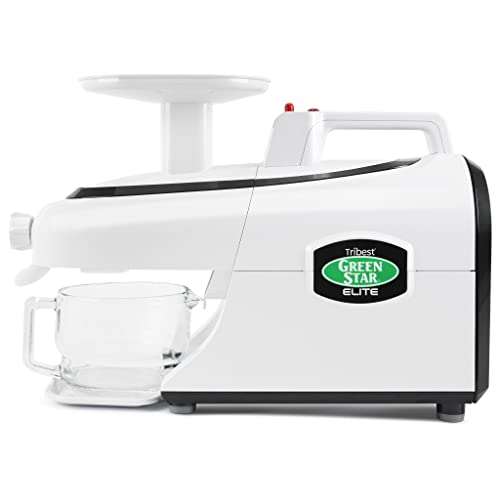
These products were retrieved through our connected Amazon catalog for JuicerPress.net. We compare them by mechanism and shopping fit and do not display prices because availability and pricing can change.
As an Amazon Associate, we may earn from qualifying purchases.


Frequently asked questions
When is a premium juicer worth it?
When a documented feature removes a repeated preparation, ingredient, capacity, cleanup, space, or effort bottleneck without creating a larger burden.
Should I compare price first?
No. Choose the correct mechanism and eliminate models that fail non-negotiables, then compare current exact offers.
How many uses should I consider?
Use a realistic block such as thirty ordinary sessions to see how often the premium advantage would actually matter.
Does premium mean easier to clean?
No. Inspect every food-contact part, screen or basket, channel, seal, sink fit, drying footprint, and exact care rule.
Can a specialist be the best value?
Yes. A citrus or celery specialist can be valuable when that exact job dominates the routine, even though it is not universal.
Who handles warranty and returns?
Amazon, the current seller, and the manufacturer govern transaction and warranty terms; JuicerPress does not handle them.
Final verdict
A premium juicer is worth considering when its documented mechanism repeatedly saves preparation, expands a genuinely used capability, improves ingredient fit, reduces suitable hand effort, or supports the batch volume you actually make. It is not worth it when the advantage is cosmetic, the main recipe fits a simpler model, cleanup grows beyond your limit, or the machine cannot stay accessible. Compare the exact workflow before the current price. Eliminate the wrong mechanism first, verify the model-specific operating guidance, and use the Juicer Finder or related collection hubs to compare the strongest remaining options.