Extraction speed is only one clock
A slow auger moves produce through a controlled pressing path, while a centrifugal basket shreds and separates at high speed. That changes active extraction, but it does not predict the complete morning.
Washing, cutting, assembly, pulp removal, screen cleaning, drying, and storage can equal or exceed motor-on time.
Wide hoppers change preparation
A compatible self-feeding bowl can reduce chopping and hands-on feeding. The tradeoff may be more cabinet clearance and a larger processing bowl to wash.
Choose hopper convenience only after confirming the ingredients and piece sizes approved for the exact machine.
Ingredient mix changes pace
Firm apples and carrots can move quickly. Long celery fibers, greens, dense ginger, soft fruit, and mixed textures may require cutting and controlled feeding.
A firm-produce demonstration should not be used to estimate a greens-heavy batch.
Batch size can reverse the result
For one glass, assembly and washing may dominate. For a family batch, hopper size, pulp capacity, container volume, and pauses matter more.
Time the serving size you actually make. A machine that wins a short demo can lose the household routine.
How to compare honestly
Run the same ingredient list and serving target through a written workflow: cut, assemble, feed, pour, clear pulp, disassemble, rinse, brush, dry, and reset.
The best time-saving feature is the one that removes friction from your longest repeated step.
Measure active time and unattended time separately
A self-feeding hopper may process while you rinse a cutting board, whereas a narrow chute can require steady attention even if the total motor-on time is similar. Record hands-on preparation, hands-on feeding, unattended extraction, and cleanup as separate categories.
This makes a comparison more honest. Ten minutes that require constant feeding can feel very different from ten minutes that include several hands-free tasks, and each household values that difference differently.
Create a realistic weekday benchmark
Choose one ordinary recipe, normal serving count, and the produce condition you actually buy. Start the clock before washing and stop after the counter, screen, containers, and parts are reset. Repeat the test across several sessions rather than drawing a conclusion from the first unfamiliar assembly.
The benchmark should reveal which step dominates. A wider hopper helps only when cutting is the bottleneck; an accessible screen helps when brushing and rinsing consume the most time.
When slower extraction is still the faster choice
If a quieter machine can stay on the counter, handles the usual greens without repeated clearing, and is easy to rinse immediately, it may support a quicker overall habit than a faster appliance stored in a cabinet. Ownership speed includes setup and willingness to use the machine.
Conversely, a centrifugal model may be the practical winner for rushed firm-produce batches. Match the clock to the ingredients and routine instead of treating one mechanism as universally efficient.
Do not compare machines by RPM alone
RPM describes shaft speed, not total throughput or household labor. Auger geometry, hopper behavior, screen area, pulp ejection, ingredient preparation, and the user's feed pace all affect a session. A lower number is not automatically slower in every practical sense or better at every task.
Use mechanism and workflow to narrow the category, then compare the exact products under the same recipe and cleanup conditions.
There are five clocks in every juicing session
A useful comparison separates preparation, assembly, active feeding, extraction or waiting, and cleanup. Cold press machines may spend more time in controlled extraction, but a wide hopper can shorten preparation and active feeding. A centrifugal machine can move firm produce quickly, yet its basket, lid, and pulp path still need washing.
Record each stage instead of relying on a single motor-on number. The slowest repeated stage is the real opportunity. A household that dislikes chopping needs a different solution from one that mainly dislikes brushing a fine screen.
One glass magnifies setup and cleanup
For a small serving, the fixed tasks dominate: gathering parts, locking the bowl, placing containers, disassembling, rinsing, drying, and resetting the counter. A compact cold press machine with a manageable screen may fit that routine better than a large self-feeding bowl, even if the larger design can process more produce with less active loading.
Look for low retained volume, container sizes that suit one serving, and parts that fit comfortably in the sink. Do not buy family-batch capacity for a daily one-glass routine unless another frequent task justifies the extra bowl and storage space.
Family batches magnify capacity and interruption
As serving count grows, hopper volume, juice-container capacity, pulp-bin size, screen flow, and the need to stop between loads become more important. A bowl-style hopper may reduce repeated feeding, but the exact continuous-use and rest guidance still controls how the machine should be operated. A commercial-looking body is not proof of an unlimited duty cycle.
Plan where finished juice will go, when pulp will be emptied, and whether the machine can be rinsed promptly after the final batch. A larger machine saves time only when its capacity removes a real interruption.
Firm produce and fibrous produce create different clocks
Apples and carrots can make a centrifugal demonstration look exceptionally fast because they are firm and easy to shred. Celery, greens, ginger, turmeric, soft fruit, and mixed textures often require more inspection, cutting, sequencing, or screen attention regardless of mechanism. Compare machines with the ingredients actually used most often.
For fibrous produce, controlled feeding can be faster than clearing a rushed clog. For soft produce, smaller staged additions can be faster than stopping to clean overloaded pulp from the screen. Total routine time rewards a stable feed path, not aggressive speed.
Horizontal and vertical slow juicers use time differently
Horizontal augers typically favor deliberate piece-by-piece feeding and can offer strong control for greens or multi-purpose routines. Compact vertical machines use gravity and a narrower footprint but may still need active cutting. Wide-hopper vertical designs move more preparation into staged loading and can provide periods of lower attention.
The trade is physical: horizontal machines need counter length, compact vertical machines need height, and wide hoppers need lid clearance plus a larger washing area. The fastest design is the one that fits the kitchen well enough to remain accessible and easy to reset.
Cleaning speed depends on access, not marketing
Easy-clean language is too broad to predict total time. Count the pieces handled after every batch, inspect whether both sides of the screen are reachable, look for narrow pulp channels, and consider whether small seals are easy to identify and reinstall. Prompt rinsing usually prevents more work than a later dishwasher cycle, but washing instructions remain model-specific.
A machine with several large, accessible parts can be quicker to clean than a simpler-looking design with trapped fibers. Time rinsing, brushing, inspection, drying placement, and reassembly as one ownership task.
A wide hopper shifts labor rather than removing it
Broad hoppers can reduce repeated knife cuts and constant pushing for compatible produce. They do not wash, inspect, pit, peel, or remove damaged areas, and they do not make excluded material safe. The bowl and lid also add surfaces that must be rinsed and dried.
Choose a wide hopper when active preparation is the bottleneck and the larger cleaning pieces fit the sink. Choose a narrower feed path when compact storage, simpler containers, or direct ingredient control saves more time in the household's actual station.
Use a repeatable comparison instead of a stopwatch claim
Write one ordinary ingredient list and serving target. Start before washing and stop only when the counter, screen, containers, brush, and food-contact parts are reset. Repeat after the machine is familiar, because a first assembly or unfamiliar lock can exaggerate time. Keep produce condition and recipe composition reasonably consistent.
This is a household workflow test, not a claim of laboratory performance. JuicerPress does not publish universal minute estimates or invented throughput. The model reviews explain mechanisms and tradeoffs; the current manual provides operating limits and preparation requirements.
Which verified models change the time tradeoff?
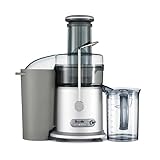
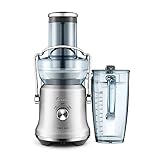
The Omega Hands-Free emphasizes staged hopper loading, while the Ninja NeverClog JC151 offers a more compact, controlled cold press routine. The Breville Juice Fountain Plus and Juice Fountain Cold Plus are centrifugal alternatives for shoppers who prioritize fast firm-produce extraction; the word Cold in a Breville model name does not turn a centrifugal basket into an auger press.
Open both sides of the comparison before buying. Each model review links to its exact verified Amazon destination, and the Cold Press Juicers and Centrifugal Juicers hubs explain why the mechanism could change the answer.
Final answer: is slow juicing too slow?
Slow juicing takes longer only when its additional preparation, feeding, or screen care exceeds the time saved elsewhere and the shopper does not value the mechanism's ingredient control, calmer routine, or format. A self-feeding hopper can make a slow motor feel efficient; an awkward cleanup can make a fast extraction feel burdensome.
Choose by total start-to-reset time for the normal recipe. Then test the conclusion in the Juicer Finder, read the relevant model reviews, and verify the exact listing, configuration, current availability, and terms on Amazon.
Models relevant to this decision
As an Amazon Associate, we may earn from qualifying purchases.


Frequently asked questions
How long does a cold press juicer take?
There is no universal number. Ingredient type, preparation, servings, hopper design, capacity, and cleaning all affect time.
Is a wide chute always faster?
It may reduce cutting, but a larger hopper or bowl can add cleaning and space tradeoffs.
Are centrifugal juicers faster?
They usually extract firm produce quickly, but compare preparation and cleanup too.
Final verdict
For does slow juicing take longer?, compare Ninja NeverClog JC151 and Omega Hands-Free only after the ingredient, working-space, and cleanup requirements pass. The better choice is the model whose documented tradeoff fits the routine you will actually repeat.