A repeatable buying checklist
How to Juice Ginger is a buying decision shaped by a particular ingredient, household, or kitchen constraint. This guide focuses on ginger, including feed behavior, realistic ingredient prep, texture, and cleanup process. Convert that need into non-negotiable requirements before comparing products.
small-batch efficiency and strong auger grip Decide which compromise is acceptable and which one would end the session pattern after a week. That boundary is more helpful than ranking every possible capability from one to ten.
How to use the recommendation responsibly: ginger
Cut dense roots into short pieces and alternate them with lemon, apple, or cucumber. Then assess the mechanism, feed style, working dimensions, pulp handling, filter surface access, controls, and removable components. The goal is not to find the most capable juicer in theory; it is to identify the design that makes this exact use case easiest to repeat.
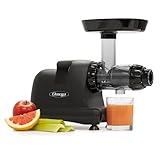
Omega All-in-One leads the starting set, while Omega Hands-Free and Omega Compact Vertical shift the balance toward different constraints. Read each tradeoff before opening Amazon.
Build a decision table before opening Amazon: ginger
Use a pass/fail filter for ingredient compatibility, juice portion capacity, counter clearance, storage, part weight, noise, and maximum rinse-and-dry work time. Score convenience only after every finalist passes those requirements.
The widest chute is not automatically the best pick when small-batch efficiency and strong auger grip matters more. Verify the live listing and manufacturer guidance before purchase because model details and included accessories can change.
Plan the first thirty days of use: ginger
Cut dense roots into short pieces and alternate them with lemon, apple, or cucumber. Put the cutting board, produce bowl, juice cup, and pulp container in their working positions before starting. This exposes whether the advertised footprint reflects the actual space required for loading, lid movement, container removal, and rinse-and-dry work.
Remove pits and hard inedible pieces whenever required, inspect produce, and keep prepared pieces within the manufacturer's limits. Do not use a wide chute as permission to ignore awkward shapes, dense roots, long fibers, or ingredients excluded by the manual.
A steady feed is usually more productive than force. Let the mechanism clear each portion, watch the pulp exit, and pause according to the instructions when the bowl or filter surface needs attention.
The decision this page should settle: ginger
Omega All-in-One, Omega Hands-Free, and Omega Compact Vertical represent different routes into this decision. Evaluate them by the job each one is meant to do, not by counting how many features appear in the listing. The leading pick should win the core workflow; an alternative should exist because a different buyer priority changes the answer.
Check whether the machine is horizontal or vertical, actively fed or hopper-based, general-purpose or specialized, compact or batch-oriented. Then compare food-contact part count, pulp capacity, container placement, and filter screen access.
These recommendations are curated shopping starting points, not claims that every household will reach the same conclusion. Verify the current Amazon listing and manufacturer documentation because model variants, included accessories, and availability can change.
How the ingredient or routine changes the machine choice: ginger
Texture is influenced by mesh design, pulp-control settings, ingredient condition, feeding pace, and the mixture in the recipe. A smoother glass may require a finer mesh or supporting straining, while a shopper who likes body may prefer more pulp. Neither result is automatically better.
Apparent yield should also be interpreted carefully. Wet pulp can point to preparation, pace, assembly, mesh condition, produce moisture, or mechanism fit; it does not prove a universal percentage difference after one session.
For ginger, set an expectation for texture before buying. That preference can be more practical than chasing a broad "high yield" claim that was measured with different produce and conditions.
Mechanism and feed-path fit: ginger
Cleanup begins as soon as the final ingredient clears. Unplug when required, move approved removable food-contact pieces to the sink, discard loose pulp, and rinse before residue dries. The filter screen, pulp outlet, juice cap, seals, and narrow channels deserve particular attention.
Use only the brush, washing method, dishwasher placement, and disassembly steps approved for the model. Keep the motor base dry and do not remove seals or components the manual does not identify as user-removable.
For ginger, consider staining, fine fibers, sticky citrus residue, or thick pulp before choosing. A machine that is slightly slower but easier to inspect and reassemble can create the more reliable daily habit.
Preparation before the motor or press starts: ginger
Measure more than stored width. Include total height, cabinet clearance, hopper or lid swing, the space needed to feed produce, pulp-bin removal, the path to the sink, and room for removable components to air-dry. A narrow vertical body can still be tall, while a horizontal auger can consume countertop length.
Noise also has a context. Early mornings, apartments, children, home offices, and shared kitchens can make a calmer mechanism more valuable than maximum speed. Stability matters as much as sound; place the model on the surface and with the clearances specified by the manufacturer.
The best location keeps the model accessible without crowding preparation. Appliances that are difficult to retrieve or rebuild after washing are less likely to support the intended routine.
Comparing the practical shortlist: ginger
The most common mistake is choosing by one appealing attribute—brand, wattage, chute size, low-speed language, finish, or accessory count—before confirming ingredient fit. Another is treating "cold" in a product name as proof of a masticating mechanism. Read the actual operating description.
Do not assume every removable part is dishwasher-safe, every wide opening accepts every whole fruit, or every heavy machine is rated for continuous commercial service. Those claims require model-specific confirmation.
Finally, avoid buying for an imaginary workflow. Base the choice on produce already purchased, servings already consumed, and cleanup time the household will realistically accept.
Texture, pulp, foam, and yield expectations: ginger
A different juicer type wins when the main job changes. A dedicated citrus extractor can be simpler than an all-produce juicer for daily orange juice. A centrifugal extractor can be more practical for fast apples and carrots. A slow auger can be the better fit for greens, fibrous stalks, mixed recipes, and quieter operation.
For ginger, identify the feature that would cause the recommendation to fail: excessive ingredient prep, poor ingredient compatibility, large working space, heavy food-contact pieces, specialized use, or a cleanup process path that exceeds the available time.
When that failure appears, choose the alternative mechanism rather than trying to compensate with accessories or technique. The suitable category decision is more important than the final model badge.
Cleanup and reassembly after the final glass: ginger
Use a written checklist before opening Amazon. Record the primary ingredient, companion ingredients, normal glass count, desired texture, maximum working width and height, acceptable noise, sink space, and whether the machine will remain on the countertop.
For each candidate, confirm mechanism, chute or hopper design, pulp exit, container arrangement, removable parts, filter screen access, stated ingredient limitations, and replacement-part path. Note the single strongest advantage and the most important tradeoff.
Remove any product that fails a non-negotiable requirement. Between the finalists, choose the one whose advantage supports the most frequent behavior rather than the occasional edge case.
Counter space, noise, and storage reality: ginger
JuicerPress uses verified product-level Amazon links and explains who each recommendation is designed to serve. It does not display prices because availability and pricing change, and it does not imply that products are sold, shipped, warranted, or returned by JuicerPress.
Use Amazon to confirm the current model, included accessories, seller information, and listing details. Use the manufacturer manual for setup, assembly, operating limits, washing, and safety. The editorial comparison is an aid to a decision, not a substitute for either source.
As the habit develops, reassess the original priorities. The best long-term result is a machine that continues to fit the ingredients, space, and cleanup process behavior—not merely the one that looked most impressive on order day.
Mistakes that create disappointing results: ginger
Create a simple decision table with one row for each finalist and columns for the main ingredient, companion ingredients, servings, feed style, prep minutes, washing minutes, operating dimensions, storage, noise, and the clearest compromise. Use pass or fail for requirements and reserve preference scores for true ties.
Place Omega All-in-One, Omega Hands-Free, and Omega Compact Vertical into that table using verified listing and manufacturer information. Do not award points for an accessory or capability that the household does not plan to use.
This structure prevents a promotional headline from outweighing the practical workflow. The model that passes every non-negotiable and wins the most frequent task is the strongest starting option.
When a different juicer type is the better answer: ginger
Plan the first month around a small number of repeatable sessions. During week one, learn assembly and cleaning with a simple ingredient list. During week two, test the normal glass size. During week three, add the optional ingredients that justified the mechanism. During week four, decide whether storage and cleanup process still fit.
Record setup time, feeding interruptions, texture, visible pulp condition, rinse time, and any instruction that required another look at the manual. Change only one controllable factor between sessions.
A thirty-day plan turns the buying criteria into evidence about household fit. It also discourages unsafe improvisation or unnecessary replacement when the real issue is unfamiliar assembly, setup, or feed pace.
Recommended starting points
These products were retrieved through our connected Amazon catalog for JuicerPress.net. We compare them by mechanism and shopping fit and do not display prices because availability and pricing can change.
As an Amazon Associate, we may earn from qualifying purchases.


Frequently asked questions
What type of juicer is best for ginger?
Prioritize small-batch efficiency and strong auger grip. The best type is the one that handles the main ingredient while keeping preparation and cleanup realistic.
Is a cold press juicer required for ginger?
Not always. Cold press designs favor controlled extraction and ingredient versatility, while centrifugal or dedicated citrus machines can be better for speed or specialization.
What should I compare before buying?
Compare ingredient fit, feed path, working footprint, removable parts, cleaning access, serving size, and the manufacturer's intended use.
Are prices shown on JuicerPress?
No. Availability and pricing can change, so JuicerPress sends shoppers to Amazon to check the current listing.
Final verdict
Prioritize small-batch efficiency and strong auger grip. The widest chute is not automatically the best choice when small-batch efficiency and strong auger grip matters more. Start with Omega All-in-One, then compare Omega Hands-Free when the competing priority matters more. Eliminate the wrong mechanism first, verify the model-specific operating guidance, and use the Juicer Finder or related collection hubs to compare the strongest remaining options.