A repeatable buying checklist
How to Juice Apples is a buying decision shaped by a particular ingredient, household, or kitchen constraint. This guide focuses on apples, including feed behavior, realistic produce preparation, texture, and rinse-and-dry work. Convert that need into non-negotiable requirements before comparing products.
firm texture and a steady feed path Decide which compromise is acceptable and which one would end the workflow after a week. That boundary is more worthwhile than ranking every possible capability from one to ten.
How to use the recommendation responsibly: apples
Remove damaged areas and follow the manual for cores, seeds, and piece size. Then evaluate the mechanism, feed style, working dimensions, pulp handling, screen access, controls, and removable components. The goal is not to find the most capable juicer in theory; it is to identify the design that makes this exact use case easiest to repeat.
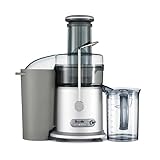
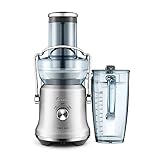
Breville Juice Fountain Plus leads the starting set, while Breville Juice Fountain Compact and Breville Juice Fountain Cold Plus shift the balance toward different constraints. Read each tradeoff before opening Amazon.
Build a decision table before opening Amazon: apples
Use a pass/fail filter for ingredient compatibility, juice portion capacity, countertop clearance, storage, part weight, noise, and maximum washing time. Score convenience only after every finalist passes those requirements.
The widest chute is not automatically the best pick when firm texture and a steady feed path matters more. Verify the live listing and manufacturer guidance before final pick because model details and included accessories can change.
Plan the first thirty days of use: apples
Remove damaged areas and follow the manual for cores, seeds, and piece size. Stage only the amount needed for the immediate batch, place both output vessels, and identify the exact stop control before feeding apples. Keep the approved pusher available, but let the mechanism grip each portion rather than using force.
Watch the change from prepared ingredient to juice and pulp. Pause when flow slows sharply, material rises, a vessel reaches its limit, or the current instructions call for inspection. This operating sequence—not a shopping feature list—is the core of a how-to answer.
The decision this page should settle: apples
Breville Juice Fountain Plus, Breville Juice Fountain Compact, and Breville Juice Fountain Cold Plus represent different routes into this decision. Examine them by the job each one is meant to do with apples, not by counting how many features appear in the listing. The leading pick should win the leading routine; an alternative should exist because a different buyer priority changes the answer.
For apples, check whether the extractor is horizontal or vertical, actively fed or hopper-based, general-purpose or specialized, compact or batch-oriented. Then evaluate food-contact part count, pulp capacity, container placement, and screen access.
These apples recommendations are curated shopping starting points, not claims that every household will reach the same conclusion. Verify the current Amazon listing and manufacturer documentation because model variants, included accessories, and availability can change.
How the ingredient or routine changes the machine choice: apples
Texture is influenced by strainer screen design, pulp-control settings, ingredient condition, feeding pace, and the mixture in the recipe. A smoother glass may require a finer strainer screen or supporting straining, while a shopper who likes body may prefer more pulp. Neither result is automatically better.
Apparent yield should also be interpreted carefully. Wet pulp can point to setup, pace, assembly, strainer screen condition, produce moisture, or mechanism fit; it does not prove a universal percentage difference after one session.
For apples, set an expectation for texture before buying. That preference can be more valuable than chasing a broad "high yield" claim that was measured with different produce and conditions.
Models relevant to this decision
As an Amazon Associate, we may earn from qualifying purchases.


Frequently asked questions
How should I prepare apples for juicing?
Remove damaged areas and follow the manual for cores, seeds, and piece size.
What should I watch while juicing apples?
Use steady feeding and watch both juice and pulp flow. Stop rather than force the machine if the normal path changes or the exact manual calls for inspection.
What needs cleaning first after juicing apples?
Remove loose pulp and rinse the approved screen, outlet, cap, seals, cone, or strainer used by the exact model before residue dries.
Final verdict
Use the preparation and feeding sequence above for juice apples, but let the exact model manual override any general technique. Choose another mechanism if the normal routine repeatedly requires force, unsafe workarounds, or impractical cleanup.